Why the Way You Import Changes Everything
The single largest controllable cost in the electric vehicle import business is not the factory price. It is import duty. Two distributors can buy the identical electric tricycle from the same factory, yet one pays double the landed cost of the other simply because of how the vehicle crosses the border. The difference comes down to three abbreviations: CBU, SKD, and CKD.
These terms describe how assembled a vehicle is when it enters your country. Governments across Africa, Southeast Asia, Latin America, and the Middle East deliberately tax these three states very differently to protect and grow local manufacturing jobs. Understanding the mechanics lets you legally cut duty, ship more units per container, and in many markets qualify for assembly incentives that lower your effective tax rate even further.
The Three Import States Defined
CBU — Completely Built Up
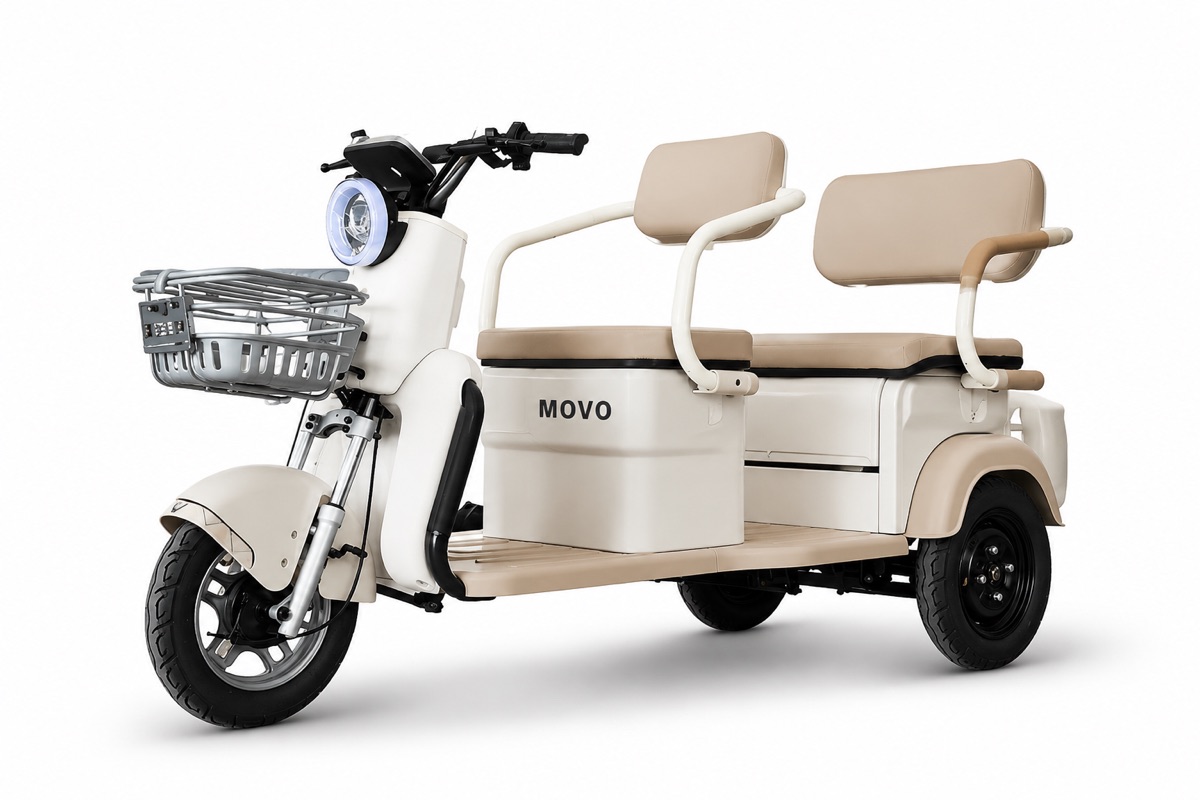
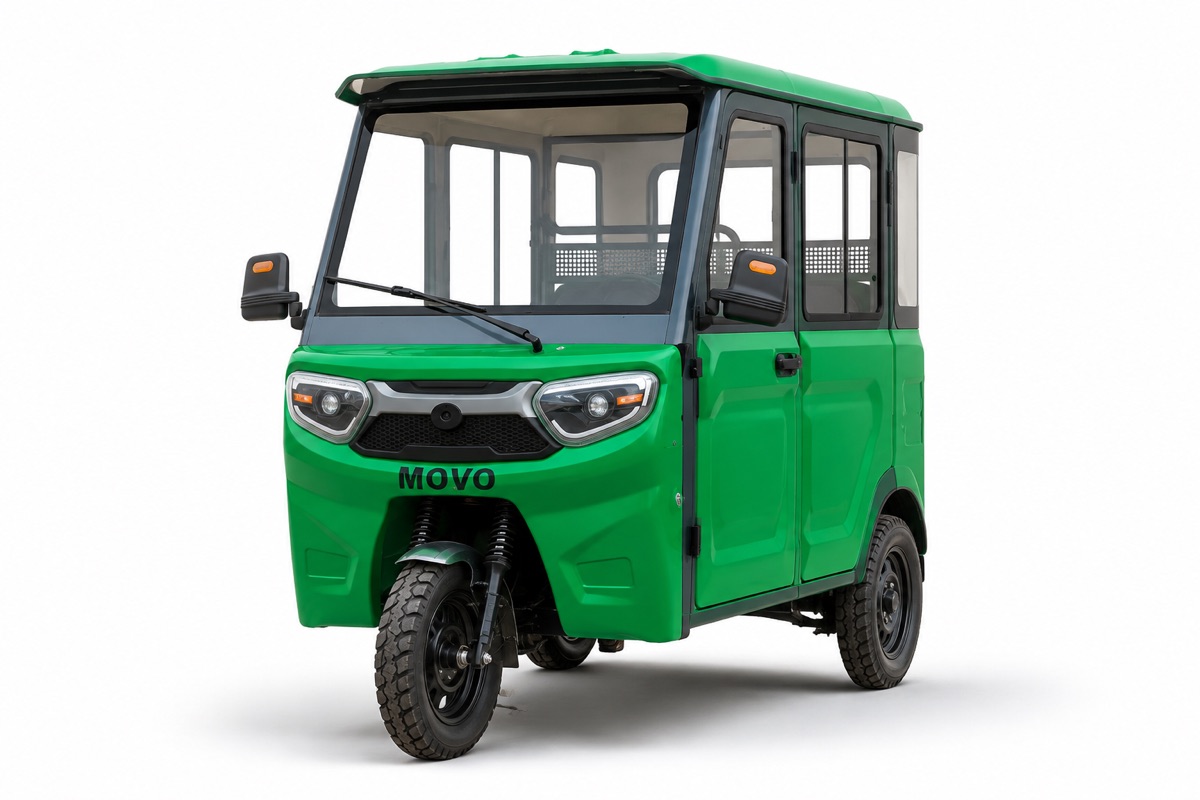
A CBU unit is a finished vehicle. It rolls off the ship ready to drive, fully assembled and tested at the origin factory. CBU is the simplest way to import because it requires no local labor, tooling, or technical skill. It is also the most heavily taxed. Because a CBU import brings zero manufacturing activity into the destination country, customs authorities treat it as a finished consumer good and apply the top duty band, frequently stacked with excise and other protective levies.
SKD — Semi-Knocked-Down
An SKD kit is a vehicle shipped partly disassembled. Typically the major structural work is done, but wheels, seats, battery, controller, canopy, mirrors, and other bolt-on components are packed separately for reassembly at destination. SKD sits in the middle: it needs only basic tools, a small trained crew, and a modest workshop. Because final assembly happens locally, most governments classify SKD as a lower duty category than CBU.
CKD — Completely Knocked-Down
A CKD kit is the vehicle broken down to its constituent parts and sub-assemblies: bare frame or frame sections, motor, axle, battery components, wiring harnesses, body panels, fasteners, and trim, all packed flat. Nothing is a finished vehicle at the border. CKD demands a genuine local assembly operation with jigs, trained technicians, quality control, and process discipline. In return, it attracts the lowest duty rates and usually qualifies for the strongest local-content and industrialization incentives.
Why Knock-Down Kits Pay Far Lower Duty
Developing economies want factories, not just showrooms. A finished imported vehicle creates a single retail sale. A kit that is assembled locally creates jobs, transfers skills, and builds an industrial base. To steer importers toward the second outcome, governments build a duty ladder: high duty on CBU, lower on SKD, lowest on CKD.
Many countries layer additional incentives on top of the lower CKD or SKD tariff:
- Reduced or waived duty on kit components versus finished vehicles.
- Local-content rebates that reward you for sourcing tires, batteries, seats, or wiring domestically.
- Tax holidays or VAT relief for registered local assemblers, sometimes for several years.
- Preferential treatment in government and fleet tenders that favor locally assembled vehicles.
The exact rates and rules vary by country and change often, so confirm the current tariff schedule and any industrialization program with a local customs broker before you commit. The structure, however, is consistent across most emerging markets: the more assembly you do locally, the less duty you pay.
Container Loading Efficiency
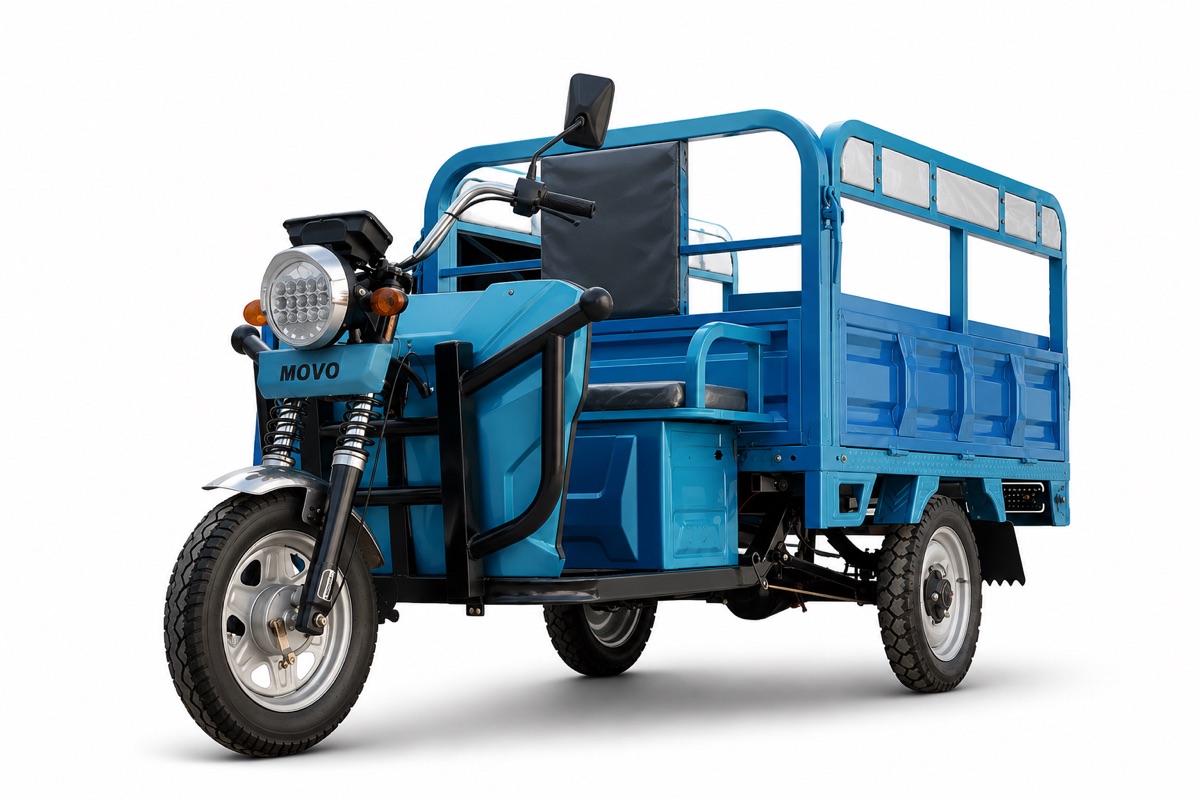
Duty is only part of the saving. Knock-down kits ship far denser than finished vehicles. A fully built electric tricycle wastes enormous container space around its wheels, canopy, and cargo box. Disassemble it, and the same components pack flat and nest tightly.
As a rough planning rule, an SKD arrangement can raise the number of units per container meaningfully over CBU, and a well-engineered CKD pack can roughly double it or more, depending on the model. Since ocean freight is charged per container, every extra unit you fit lowers the freight cost carried by each vehicle. Kits therefore attack landed cost from two directions at once: lower duty per unit and lower freight per unit.
Local Assembly Requirements and Labor
Lower duty is earned, not free. The savings scale with the assembly burden you take on.
SKD is light. A small team with hand and power tools can bolt on wheels, seats, canopy, and battery and complete a functional test in a compact space. Training is short and the capital outlay is low.
CKD is a real manufacturing commitment. You need assembly jigs and fixtures, torque tools, wiring and electrical stations, a battery and controller install area, quality checks, and technicians trained on the specific model. You must manage parts inventory so that thousands of small components arrive complete and in sequence. A single missing fastener line can stall a build. Serious CKD distributors treat it as a plant, not a warehouse: staffing, process control, spare-parts logistics, and worker safety all matter.
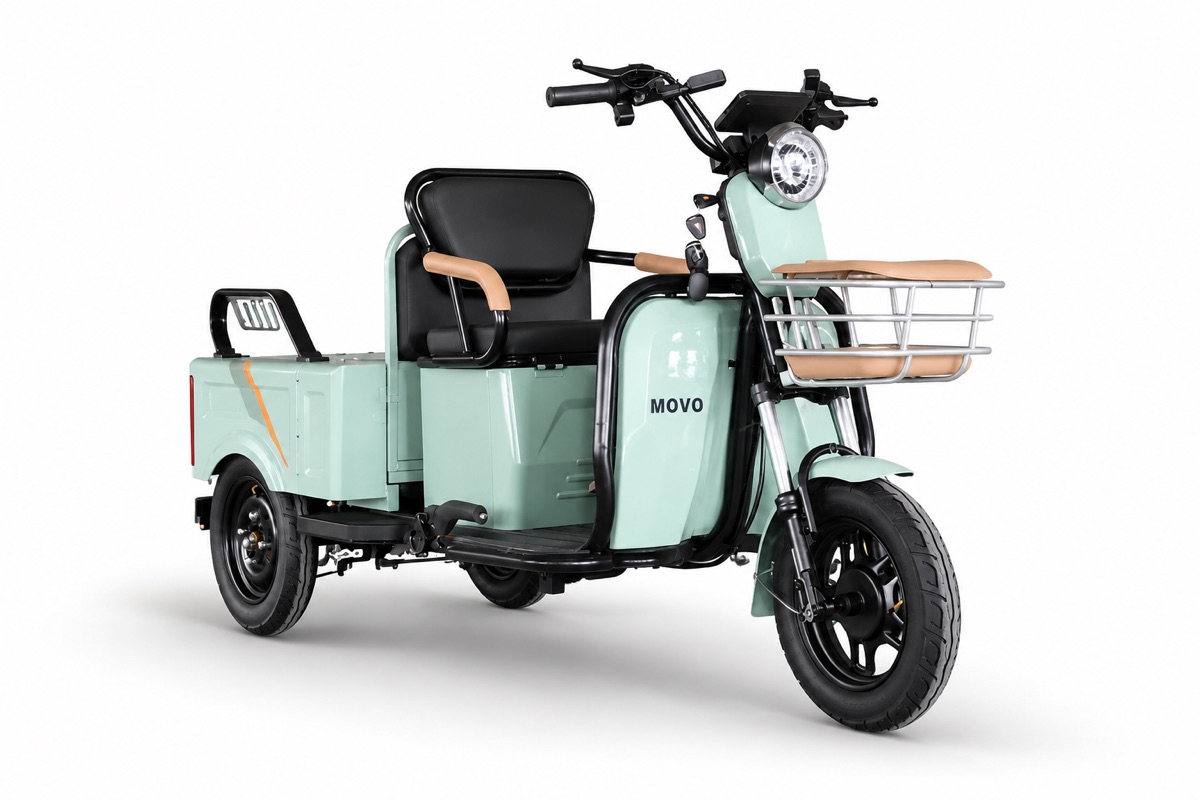
A capable factory partner shortens this curve. MOVO, for example, supplies both SKD and CKD kits with assembly documentation and OEM/ODM support, so distributors can start with SKD and graduate to full CKD as local volume justifies the investment.
CBU vs SKD vs CKD at a Glance
| Factor | CBU (Completely Built Up) | SKD (Semi-Knocked-Down) | CKD (Completely Knocked-Down) |
|---|---|---|---|
| Import duty | Highest band | Reduced | Lowest, often with incentives |
| Assembly effort | None — drive-away ready | Light — bolt-on parts, basic tools | Heavy — full assembly line, jigs, trained crew |
| Container fit | Fewest units, most wasted space | More units per container | Most units — parts pack flat |
| Local labor & skill | Minimal | Small trained team | Skilled technicians, QC, inventory control |
| Capital & setup | Lowest | Modest workshop | Assembly plant investment |
| Incentive eligibility | Rarely | Sometimes | Usually strongest |
| Best for | Fast entry, low volume, market testing | Growing volume, moderate duty relief | High volume, deep duty savings, local-content goals |
How to Choose
Match the import mode to your stage and your market's rules, not to the lowest sticker on paper.
- Start with CBU when you are testing demand, ordering small quantities, or entering a market where duty gaps are narrow. You avoid all assembly risk and reach customers fastest.
- Move to SKD once orders are steady. The duty saving and denser container loading usually outweigh the light assembly effort, and setup is quick.
- Commit to CKD when your volume is high, the duty ladder in your country is steep, or local-content rules and tenders reward domestic assembly. CKD delivers the deepest savings but only pays off if you can run a disciplined assembly operation.
Run the full landed-cost math for each mode: factory price, duty, freight per unit, local assembly cost, and any incentives, spread across your realistic annual volume. In many emerging markets the answer tips decisively toward SKD or CKD once volume passes a modest threshold. Confirm the numbers with a local broker, then choose the mode that gives you the lowest true cost per delivered vehicle at your scale.