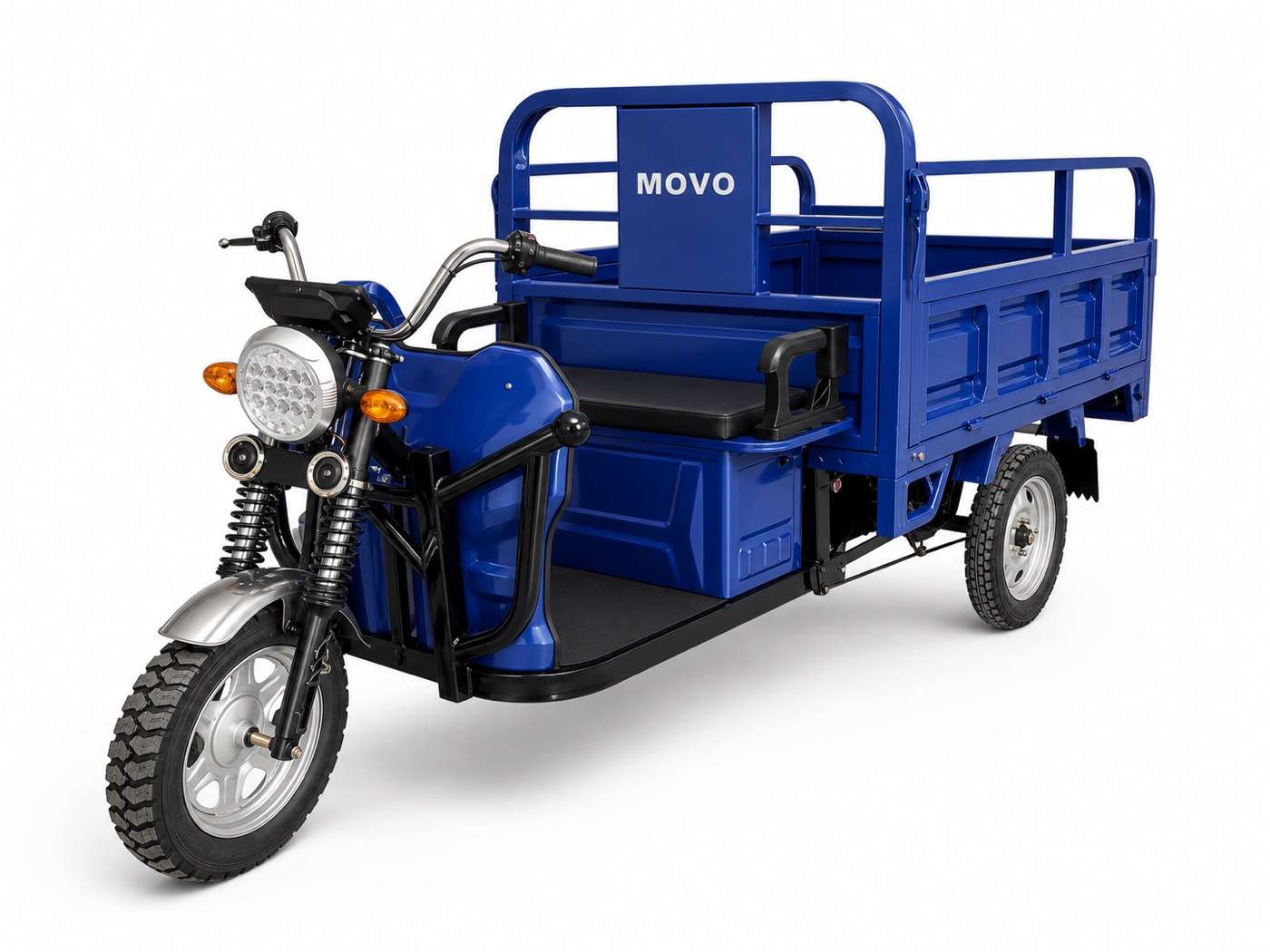
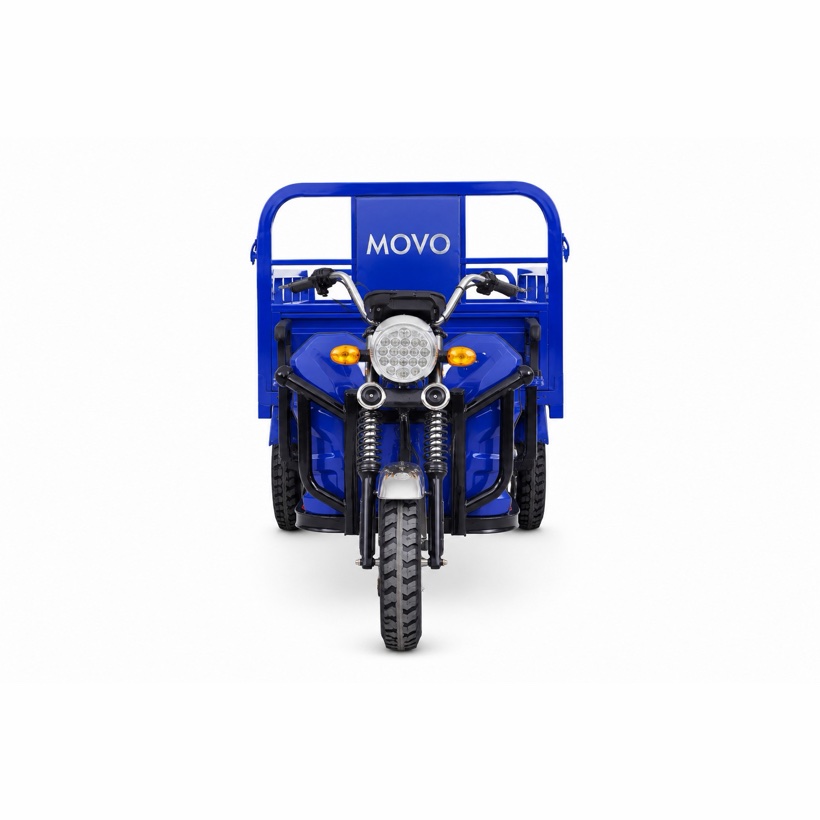
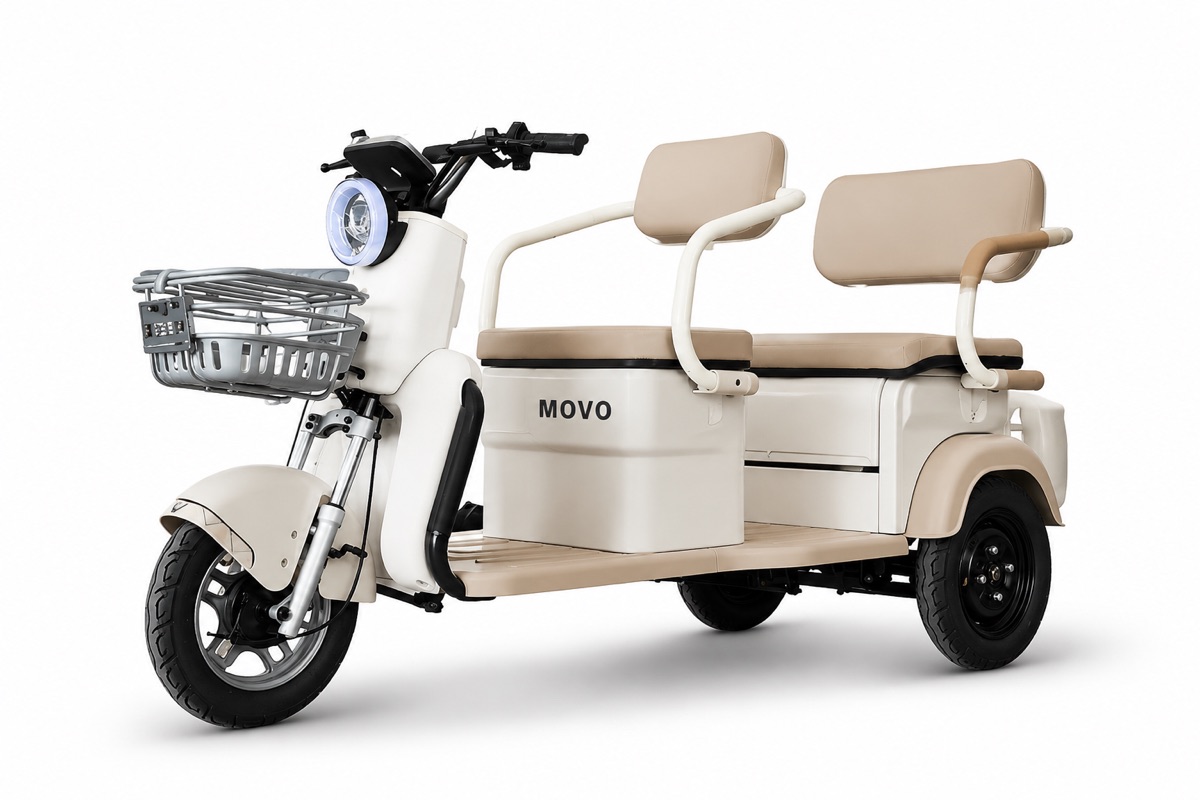
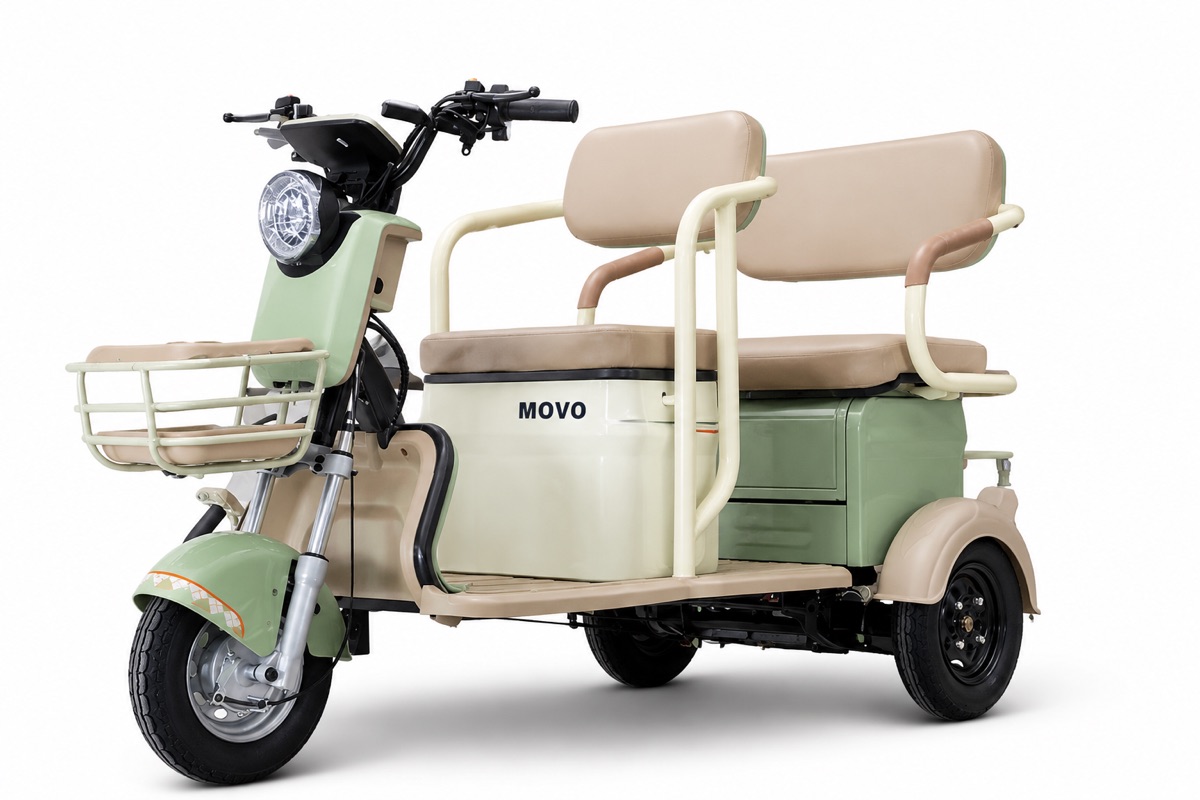
What is the minimum order quantity (MOQ)?
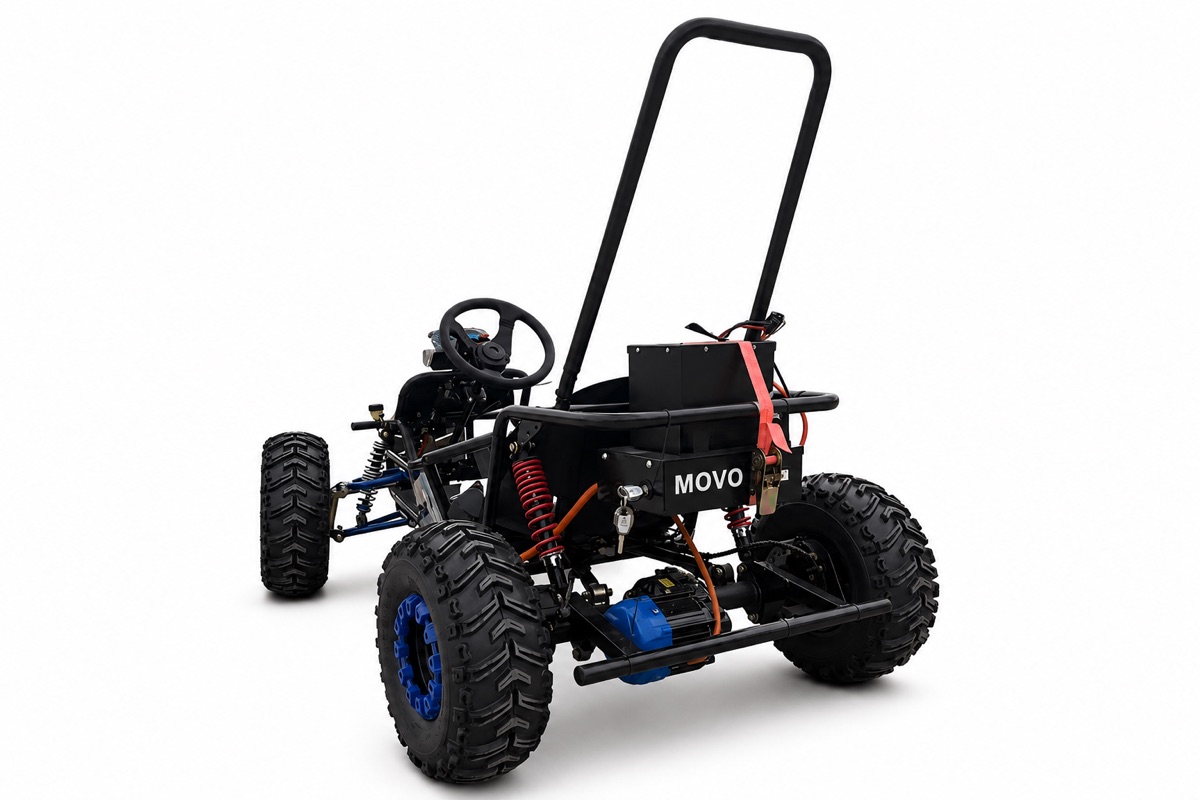
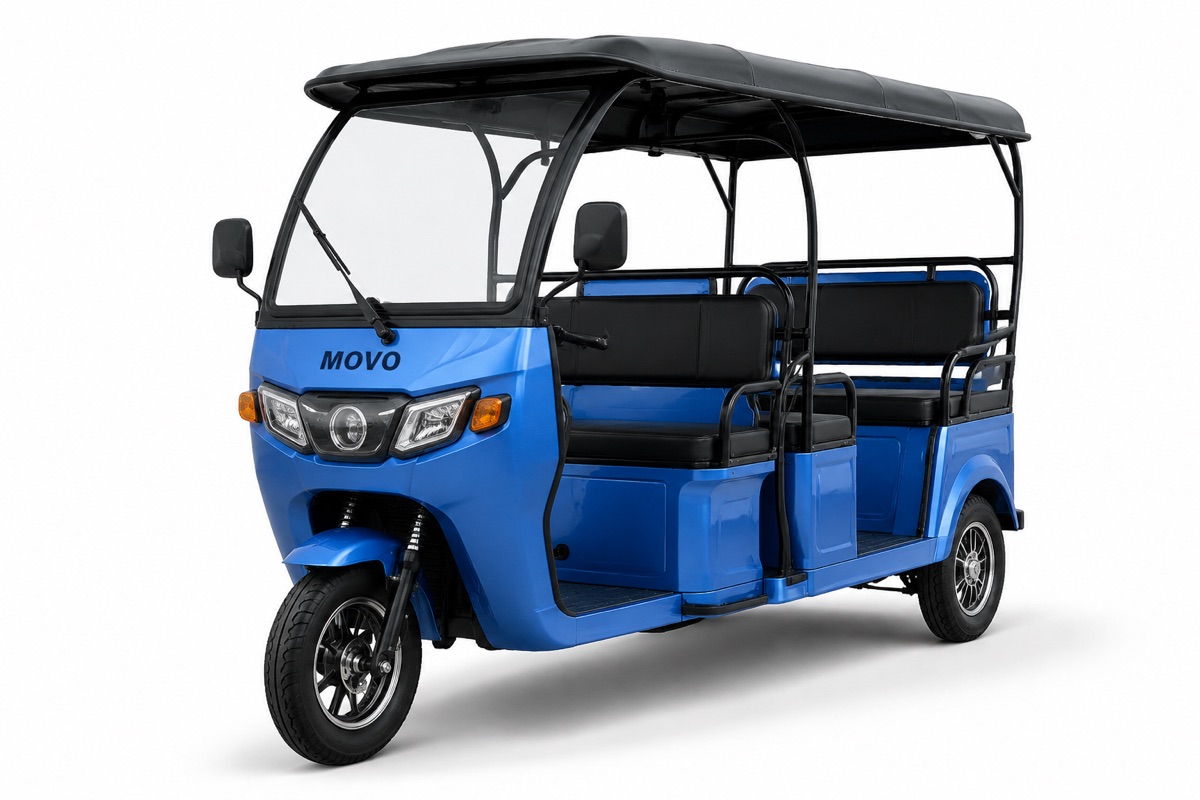
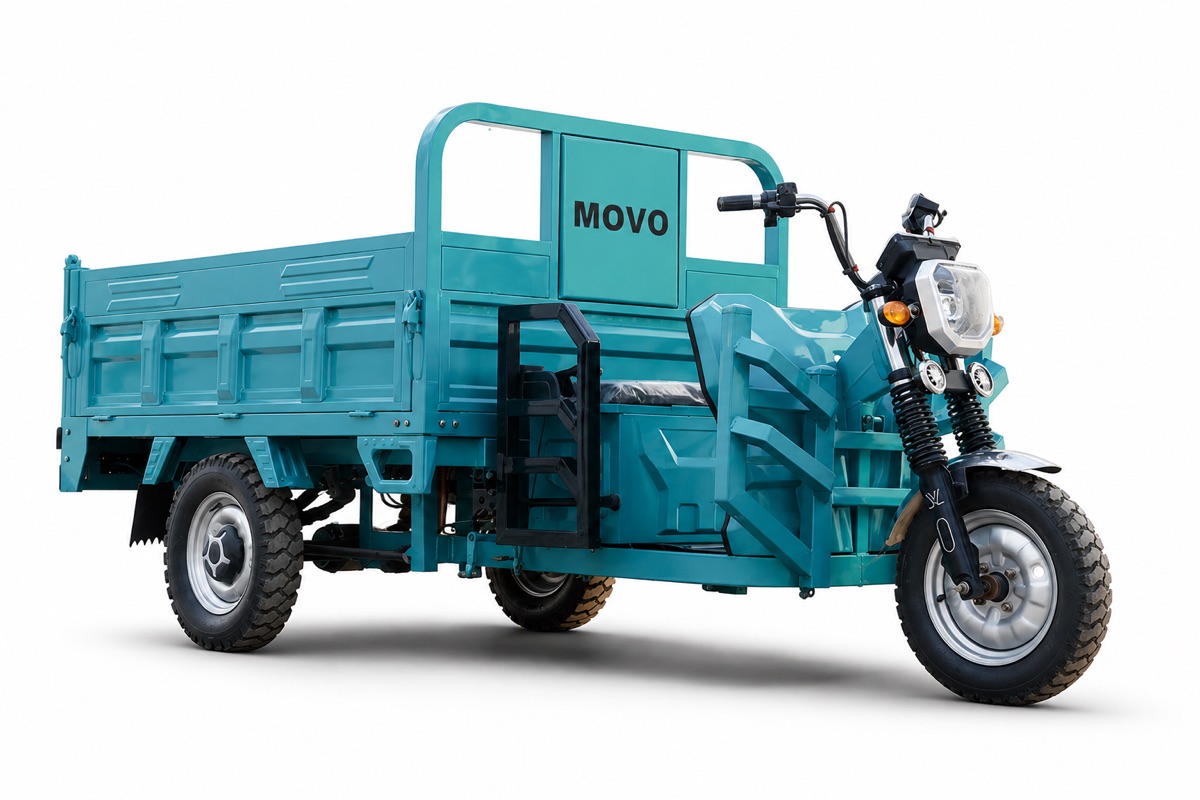
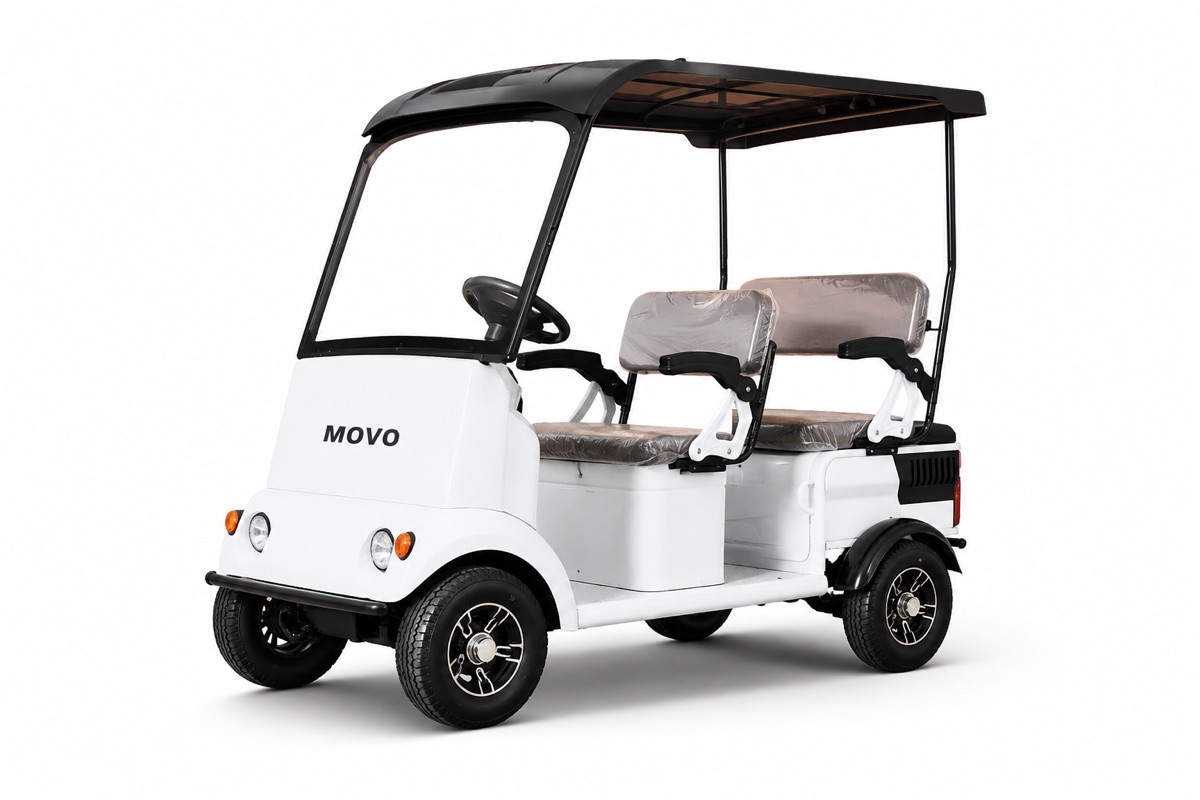
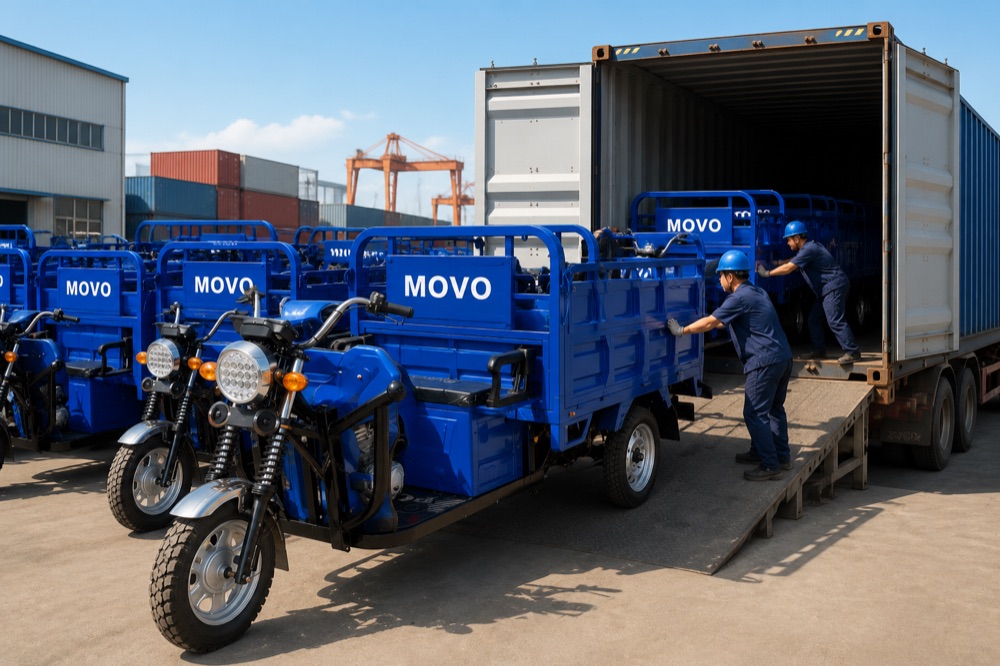
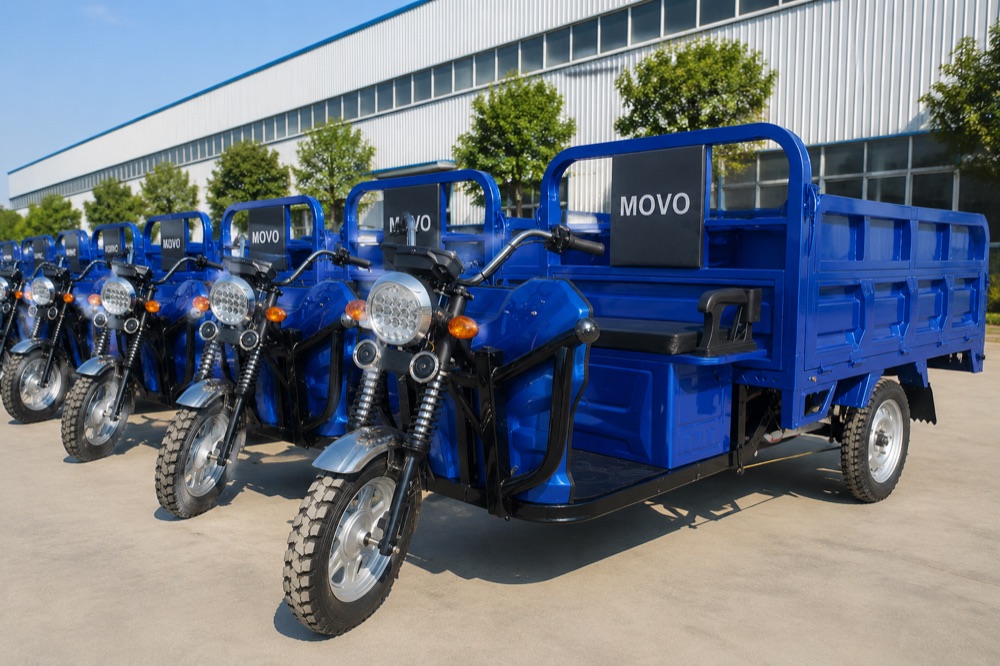
Typical MOQ is one 40HQ container (about 6–20 units depending on model). Lower trial quantities are negotiable for new distributors, and CKD/SKD kits ship efficiently by container.
Do you support OEM / ODM branding?
Yes. MOVO produces under your own brand (OEM/ODM) — your logo, your choice of colors and configuration on every model.
Which export certifications can you provide?
We support destination certifications such as CE, EEC and SONCAP (Nigeria), and provide battery shipping documents (UN38.3 / MSDS) for every order.
Can you ship CKD / SKD to reduce import duty?
Yes. We supply CKD/SKD knock-down kits so distributors can assemble locally and lower import tariffs, which also improves container loading efficiency.
Which markets do you serve?
MOVO exports factory-direct to 70+ countries across Africa, Southeast Asia, Latin America and the Middle East.
What colors are available?
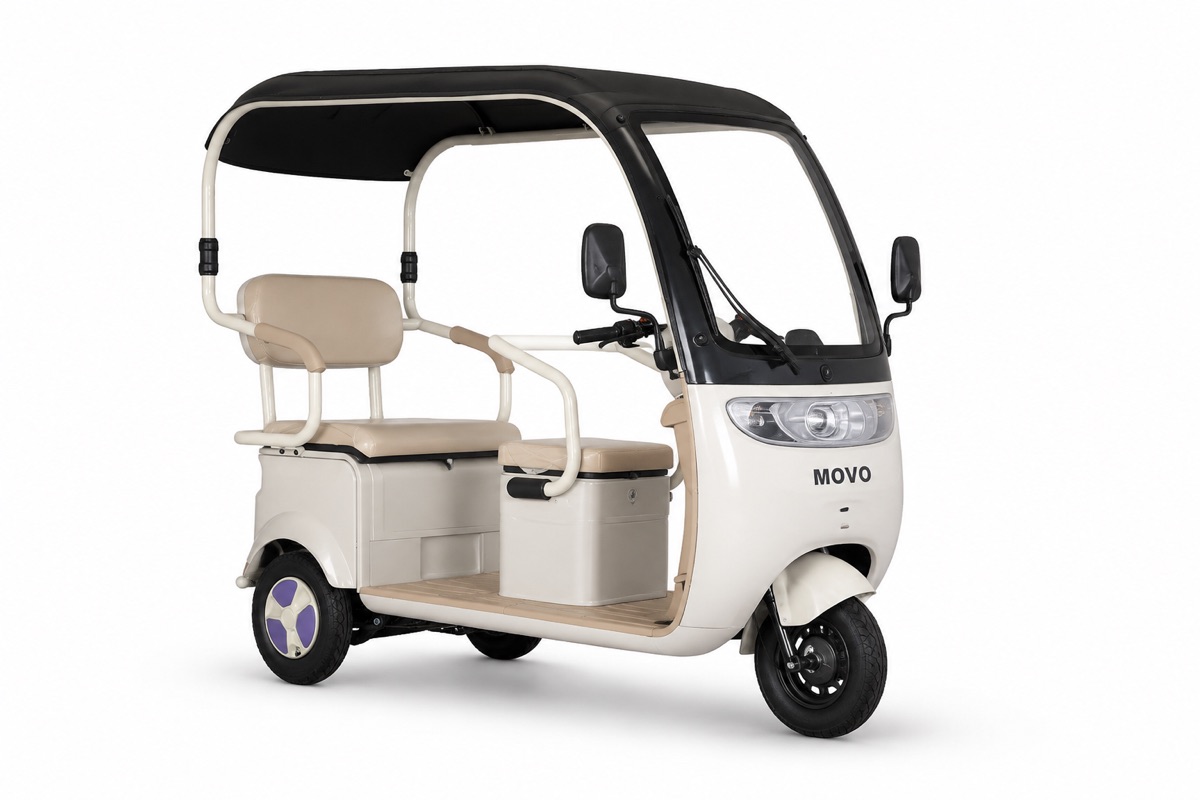
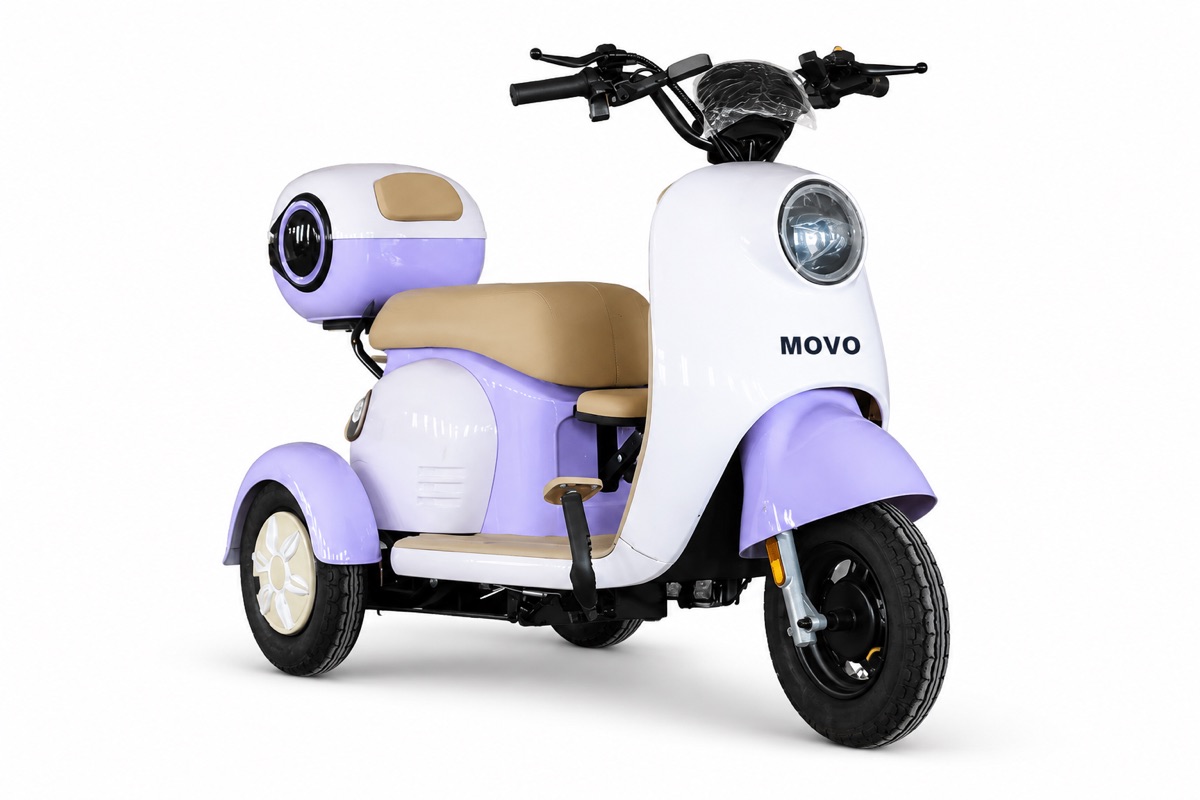
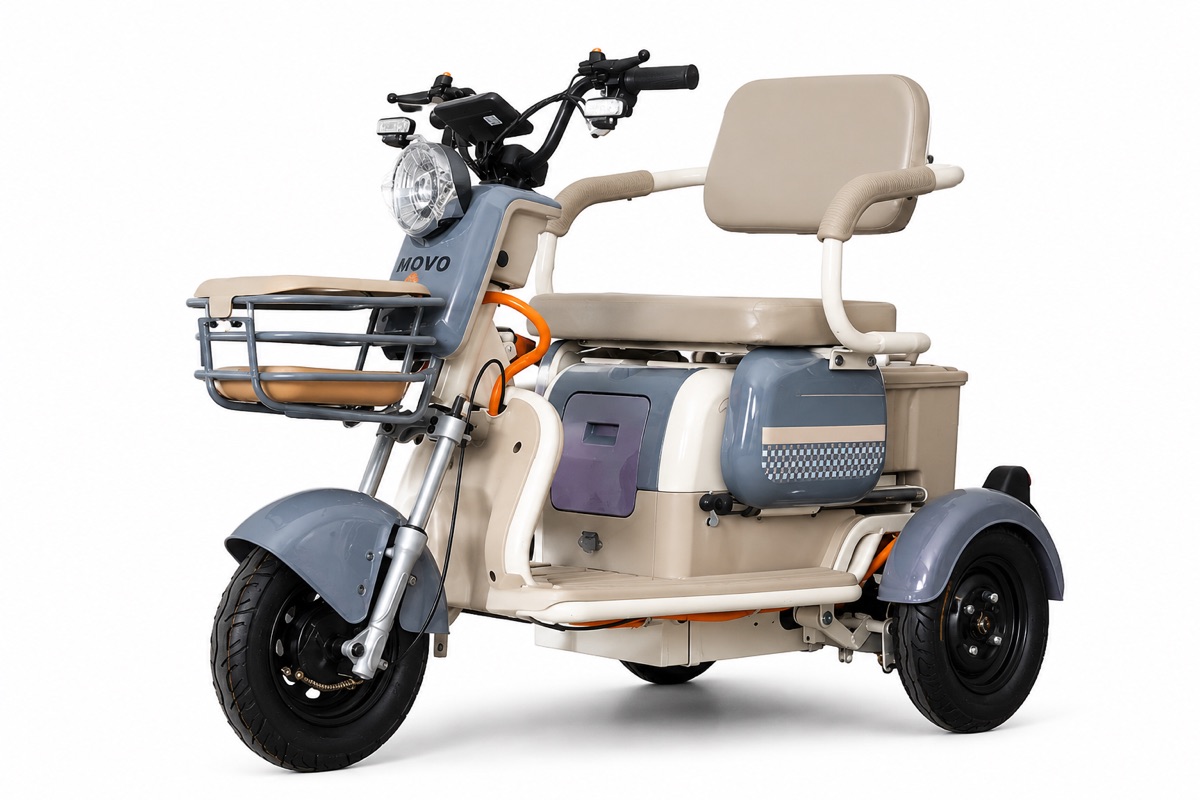
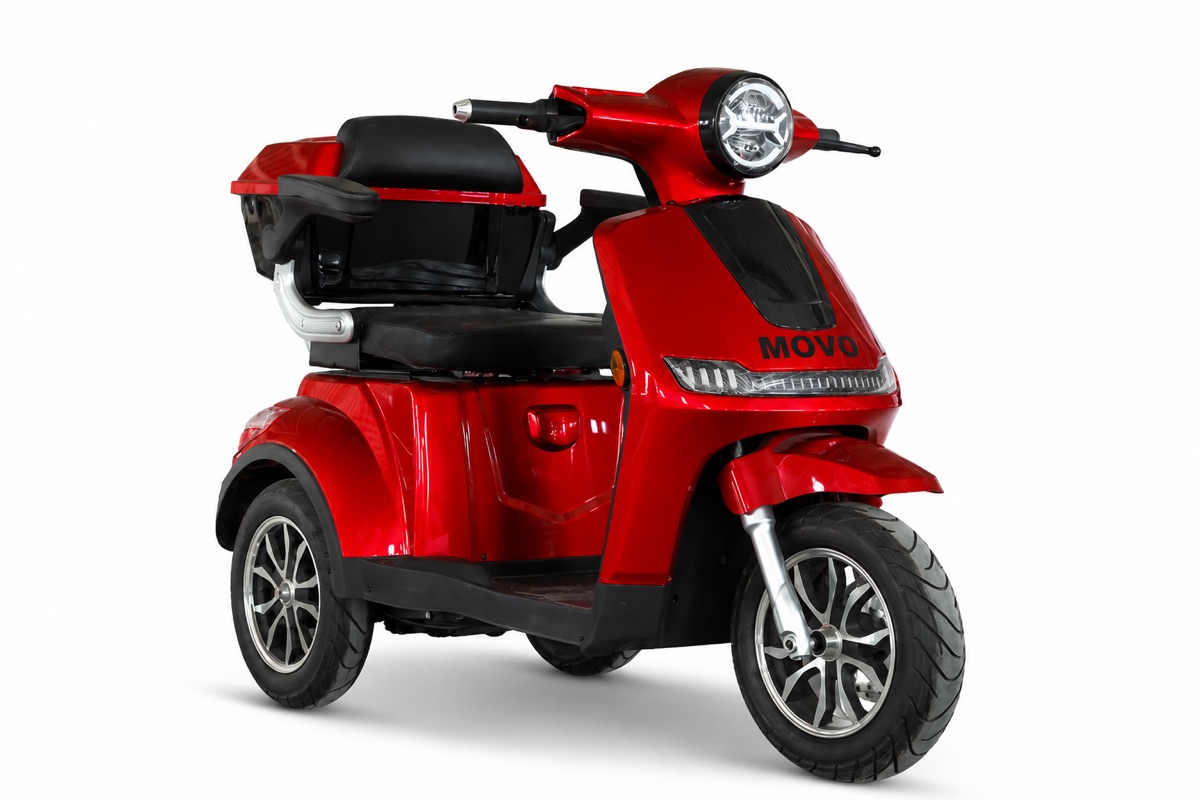
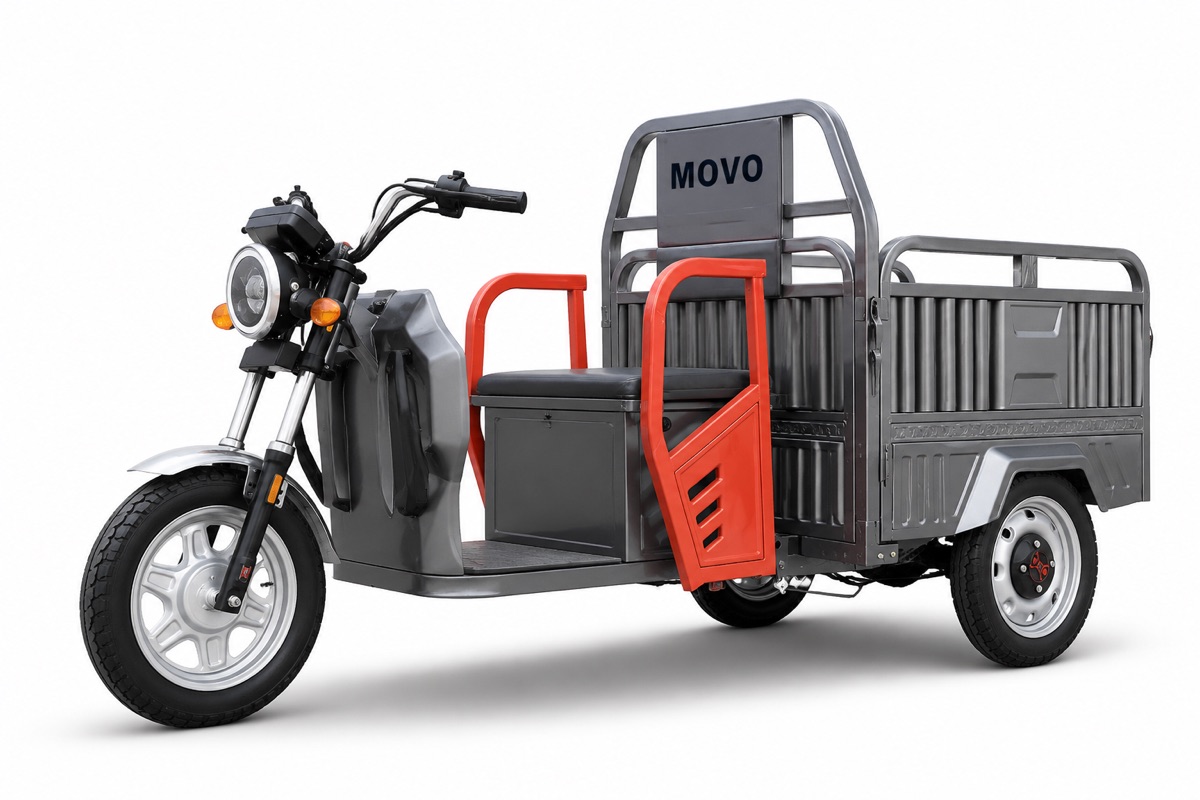
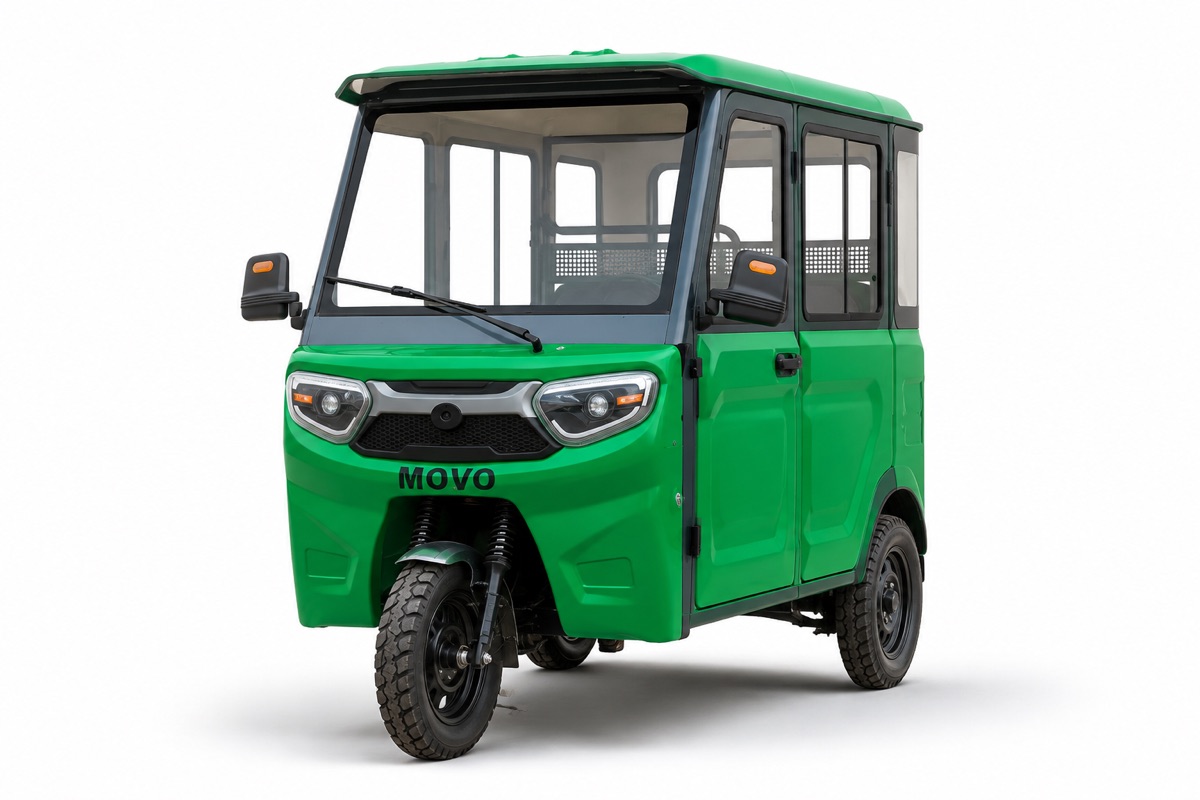
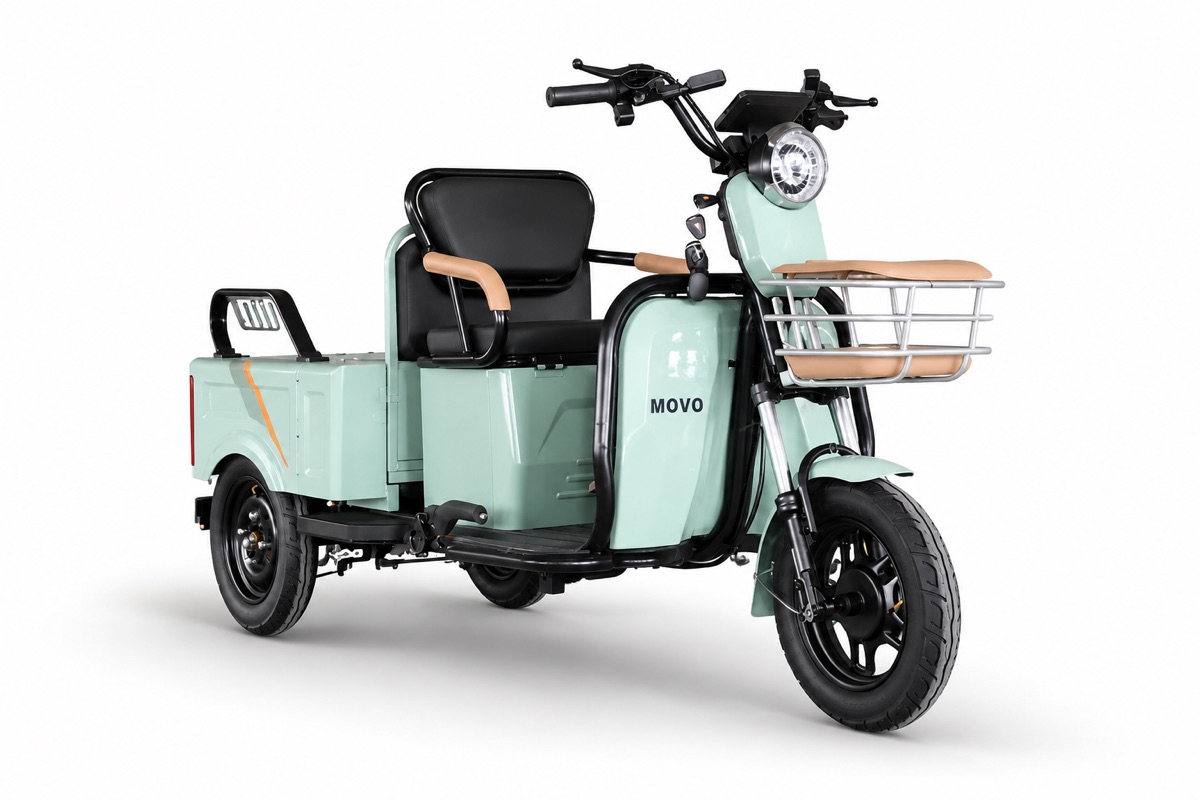
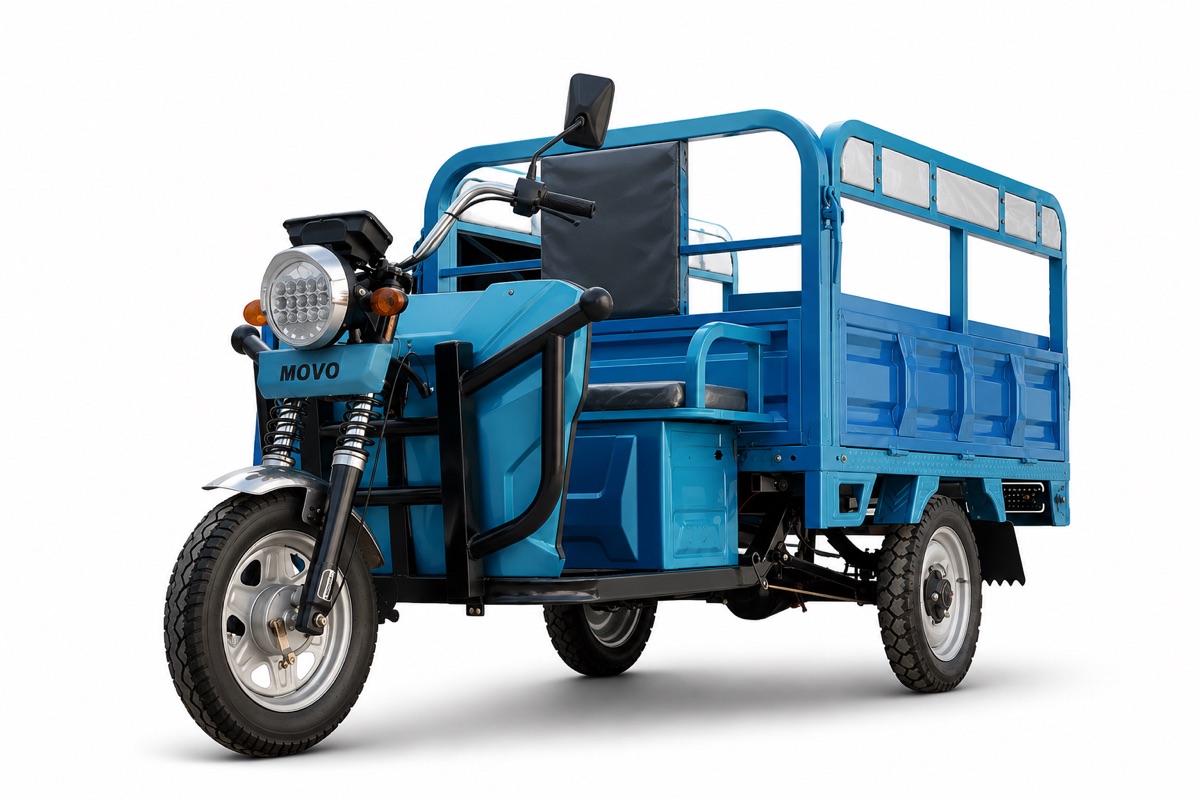
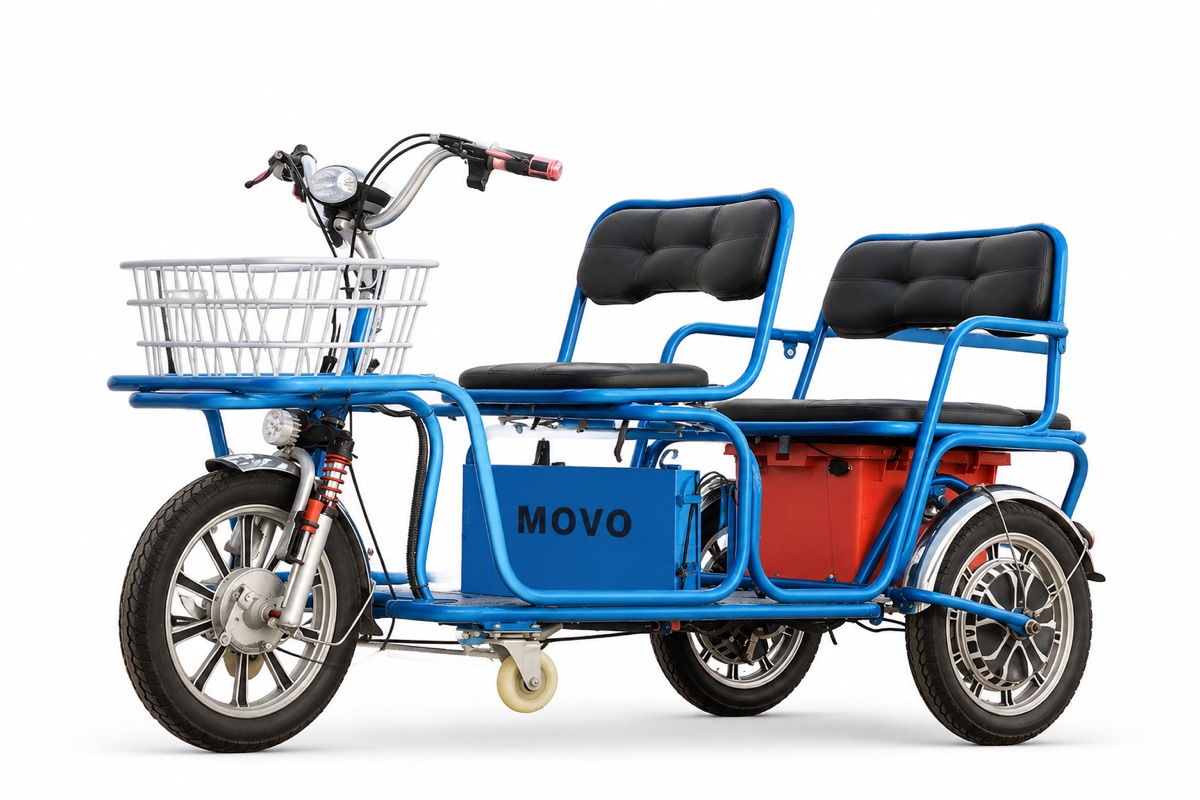
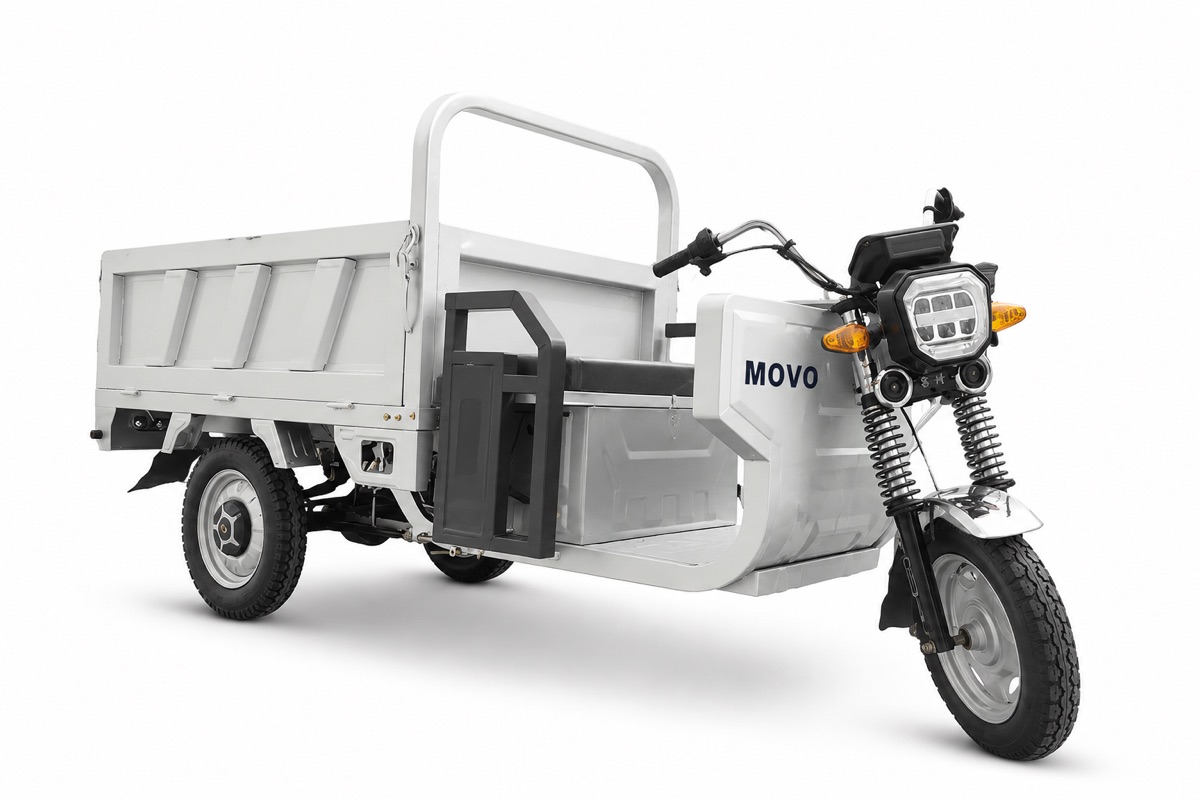
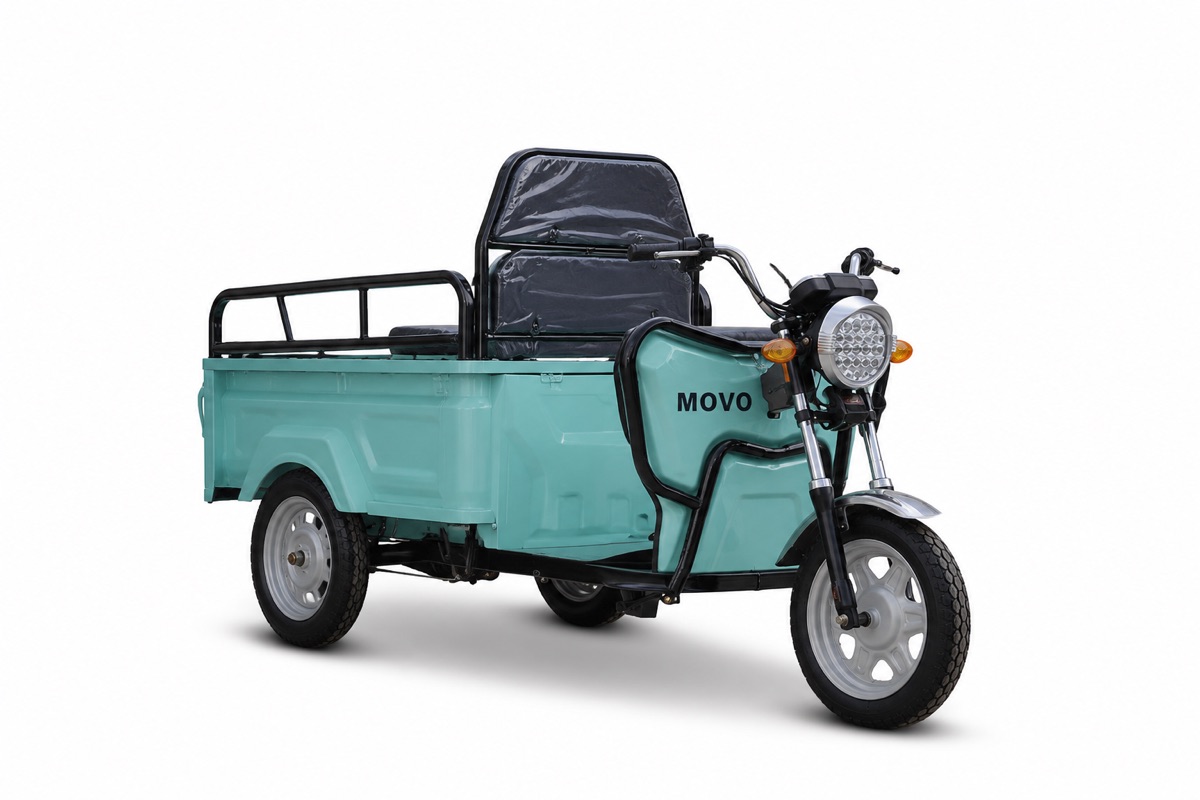
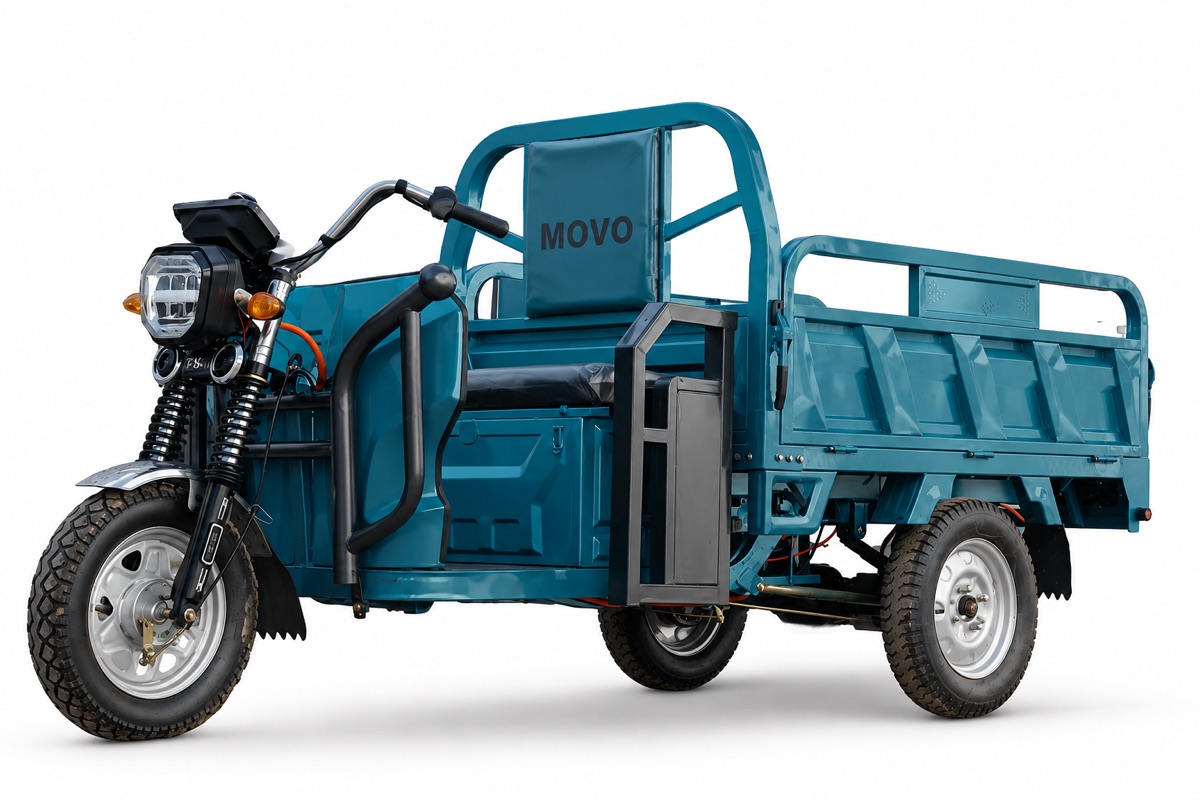
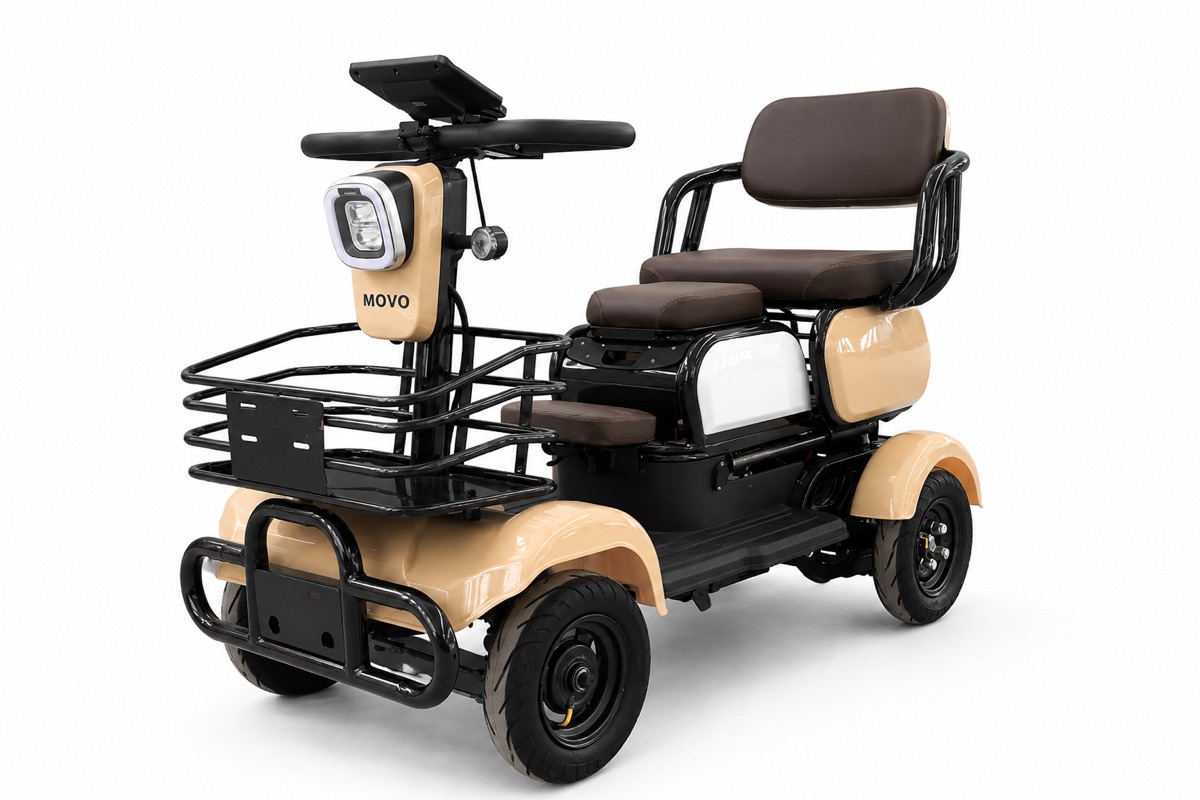
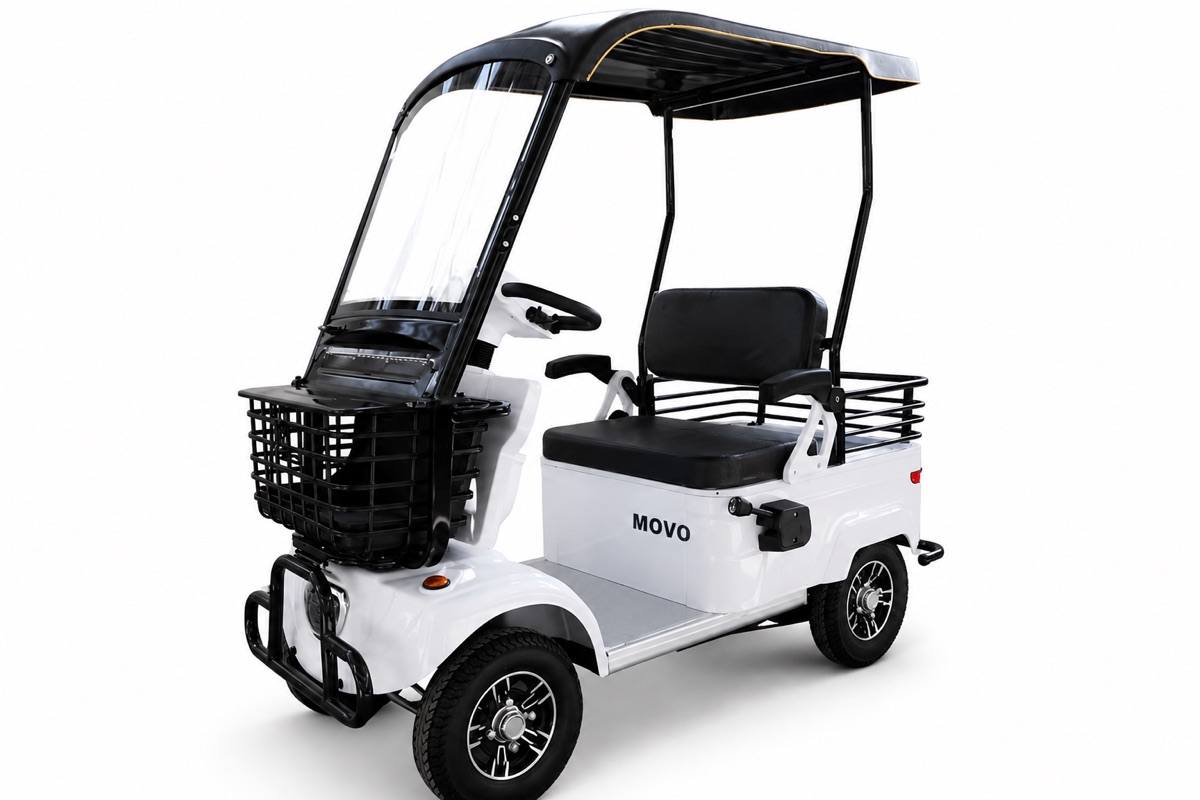
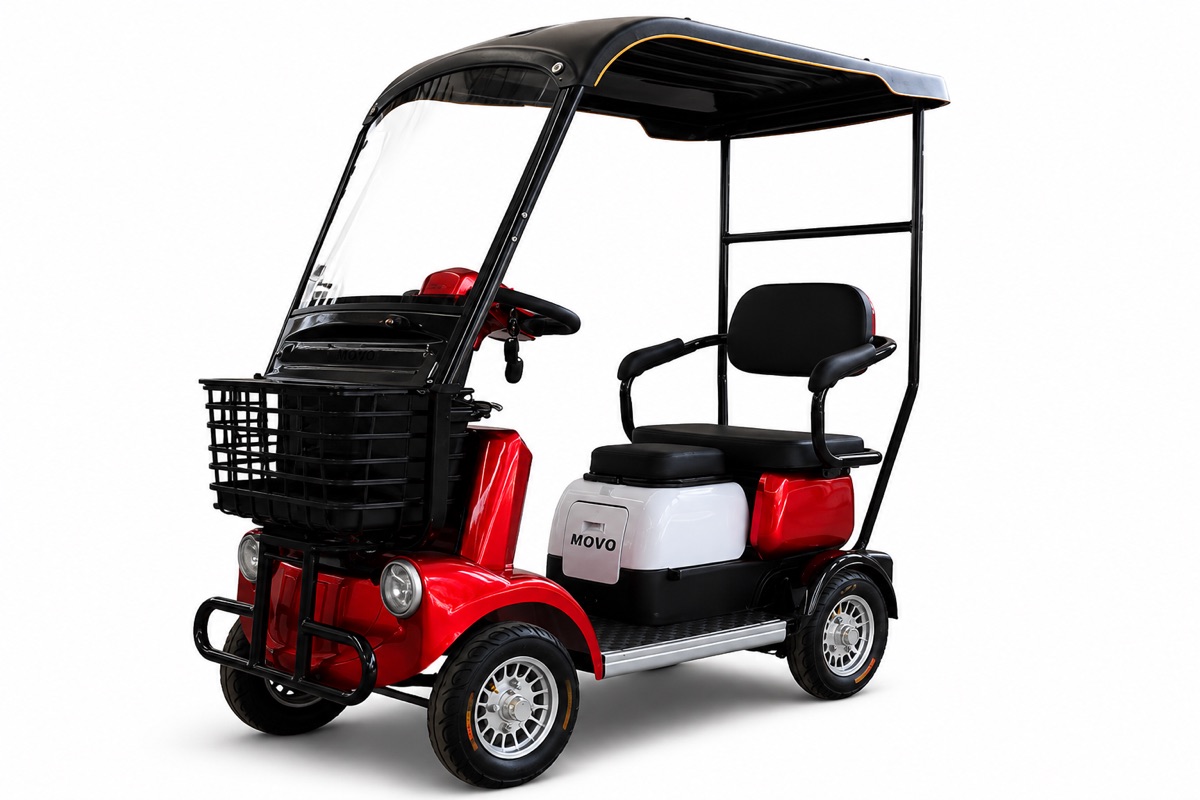
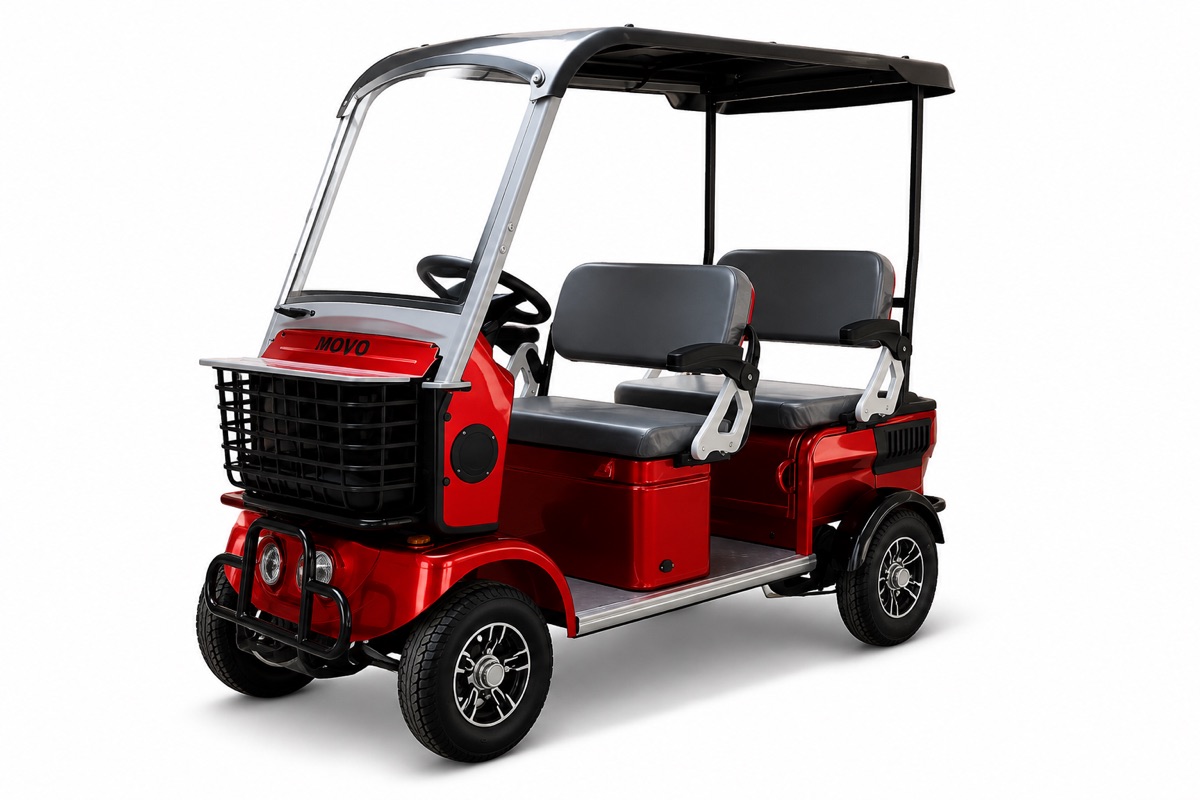
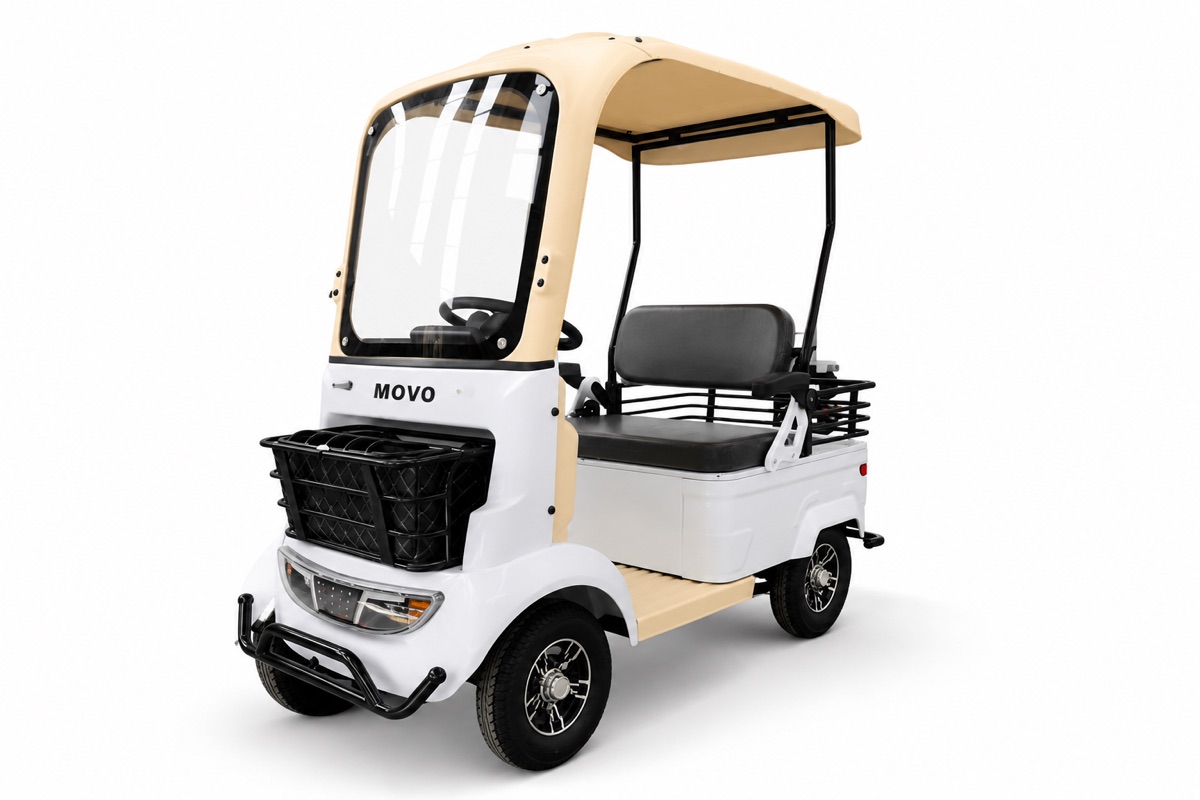
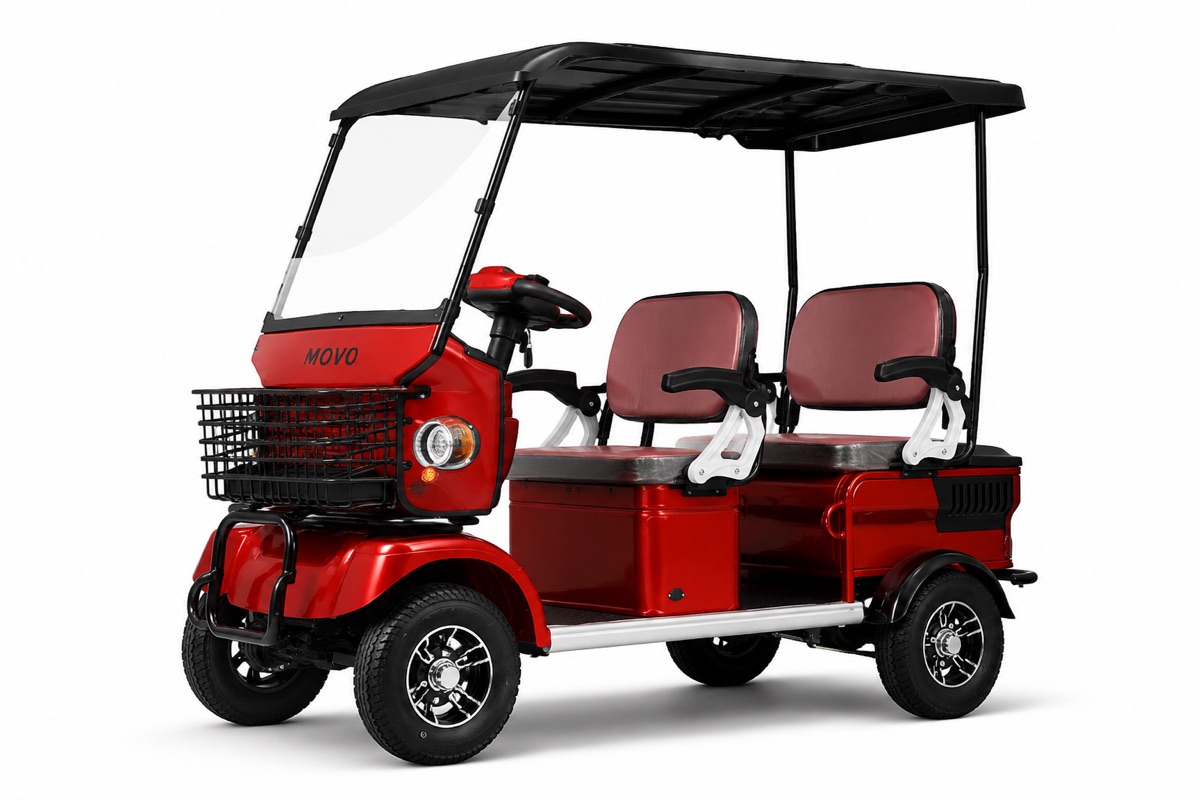
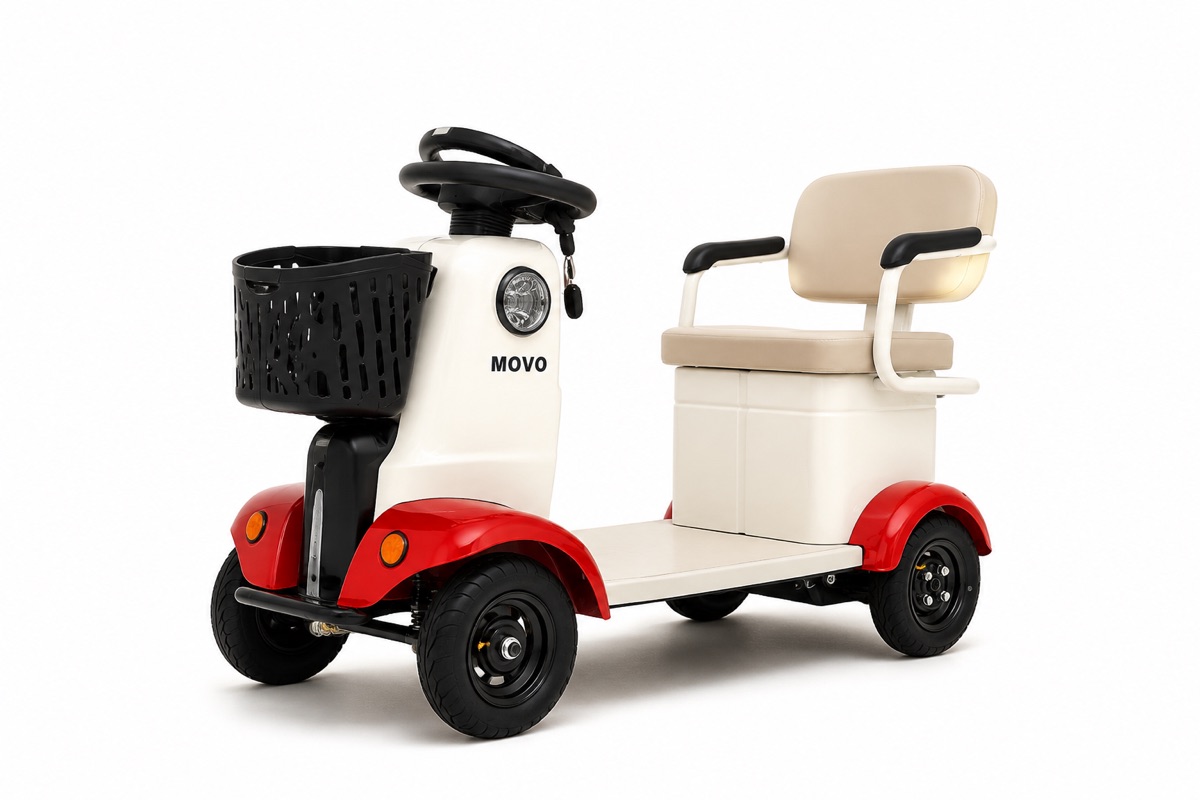
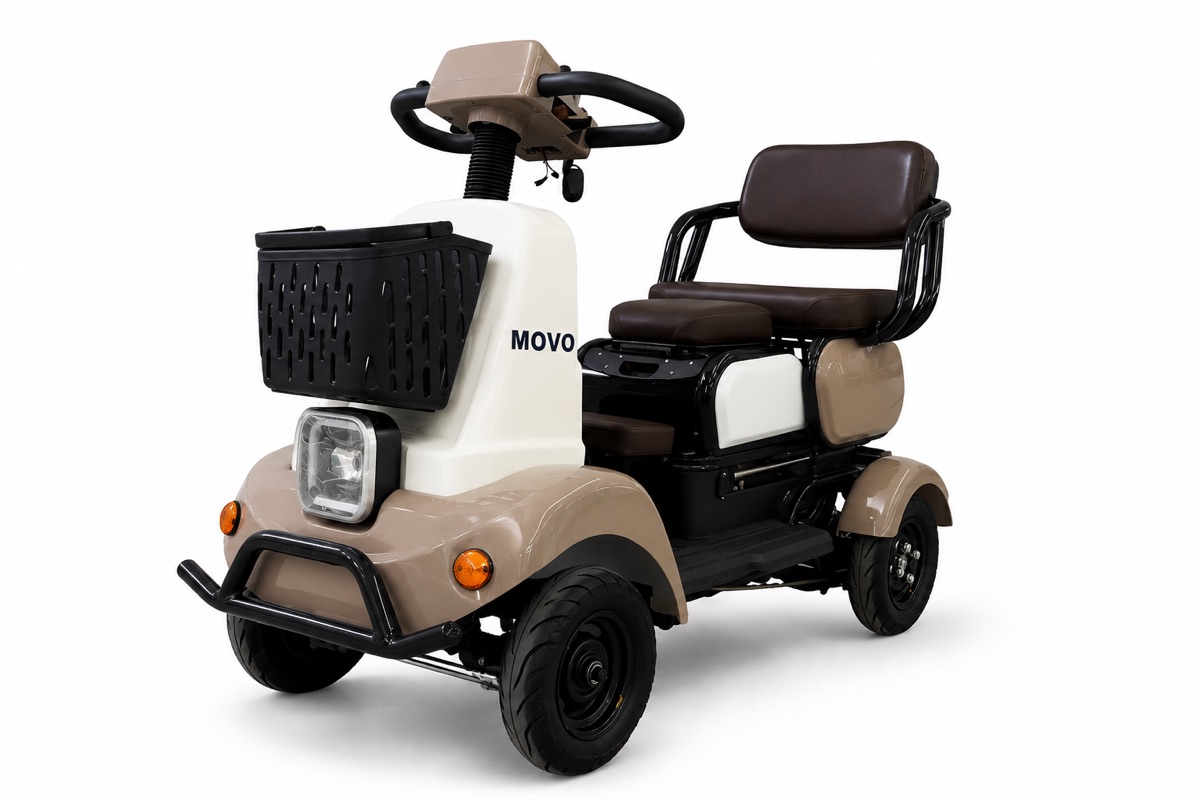
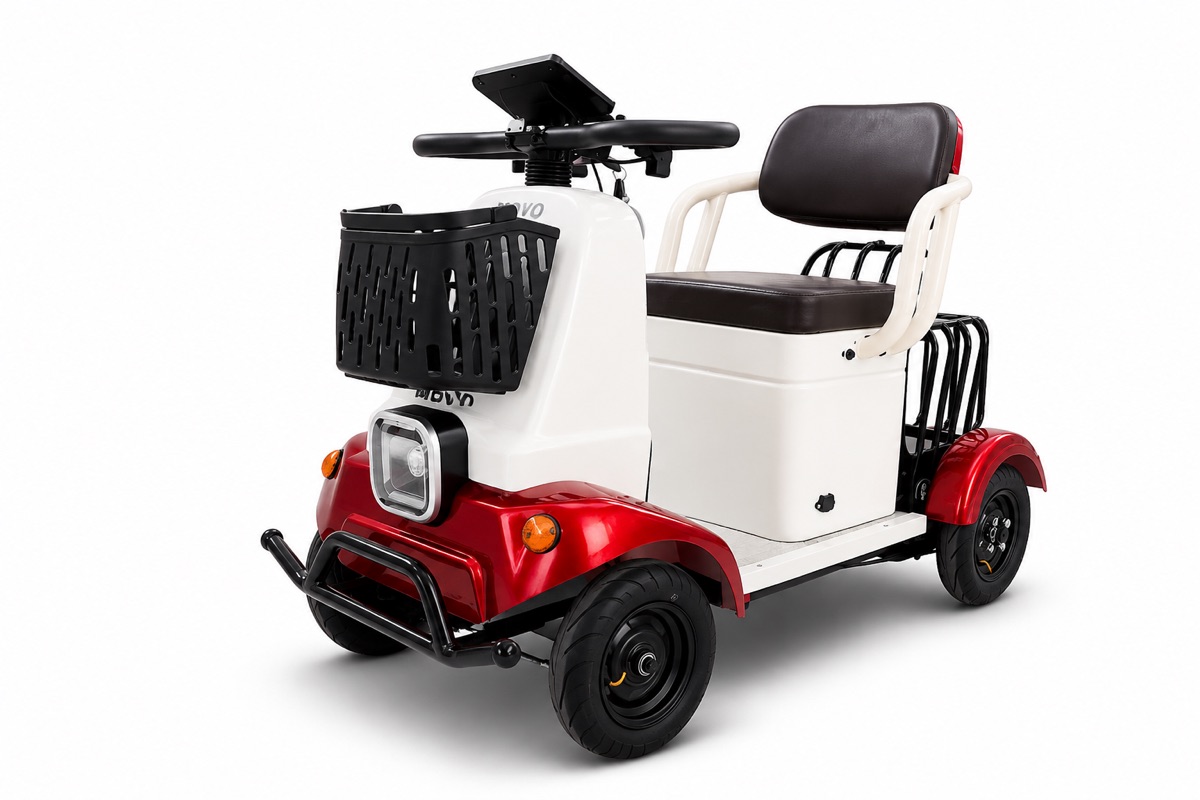
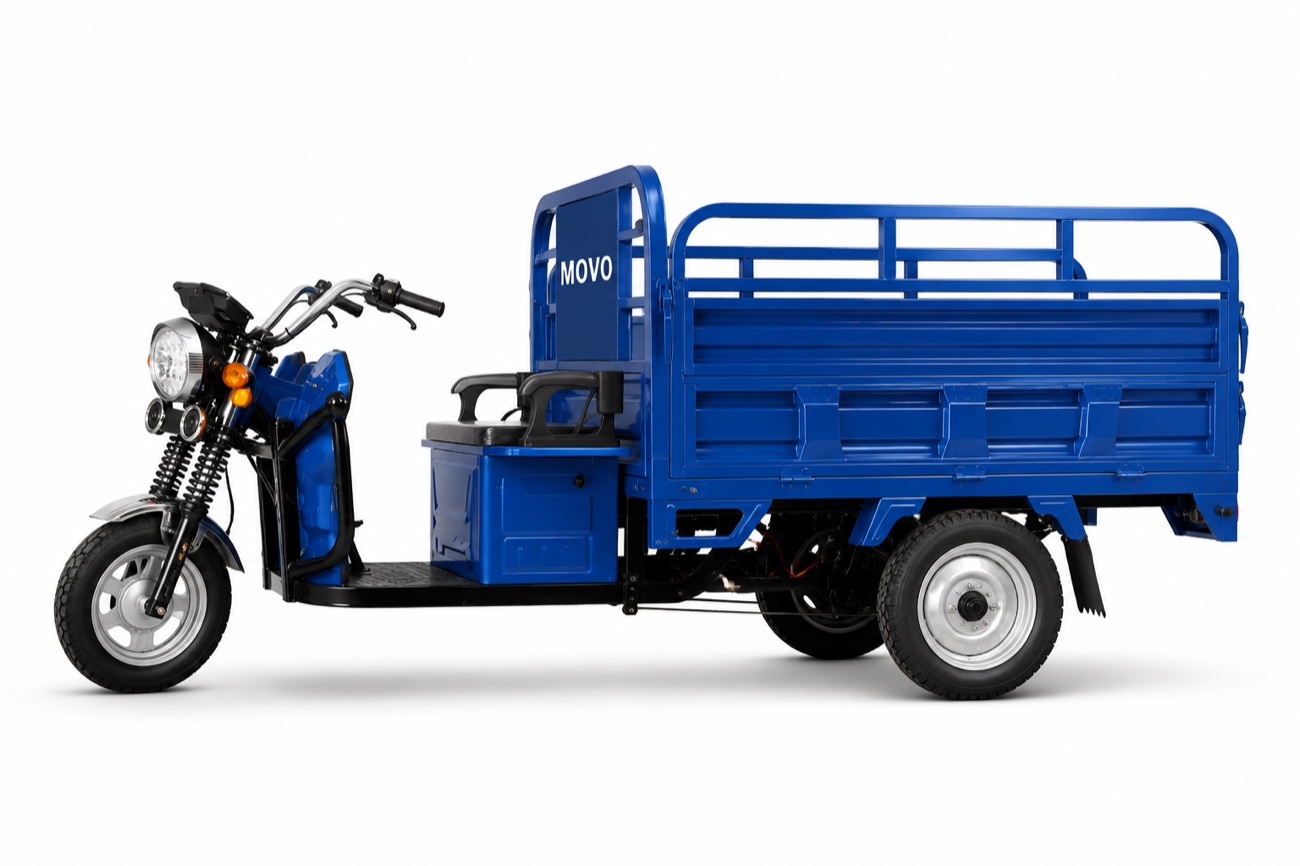
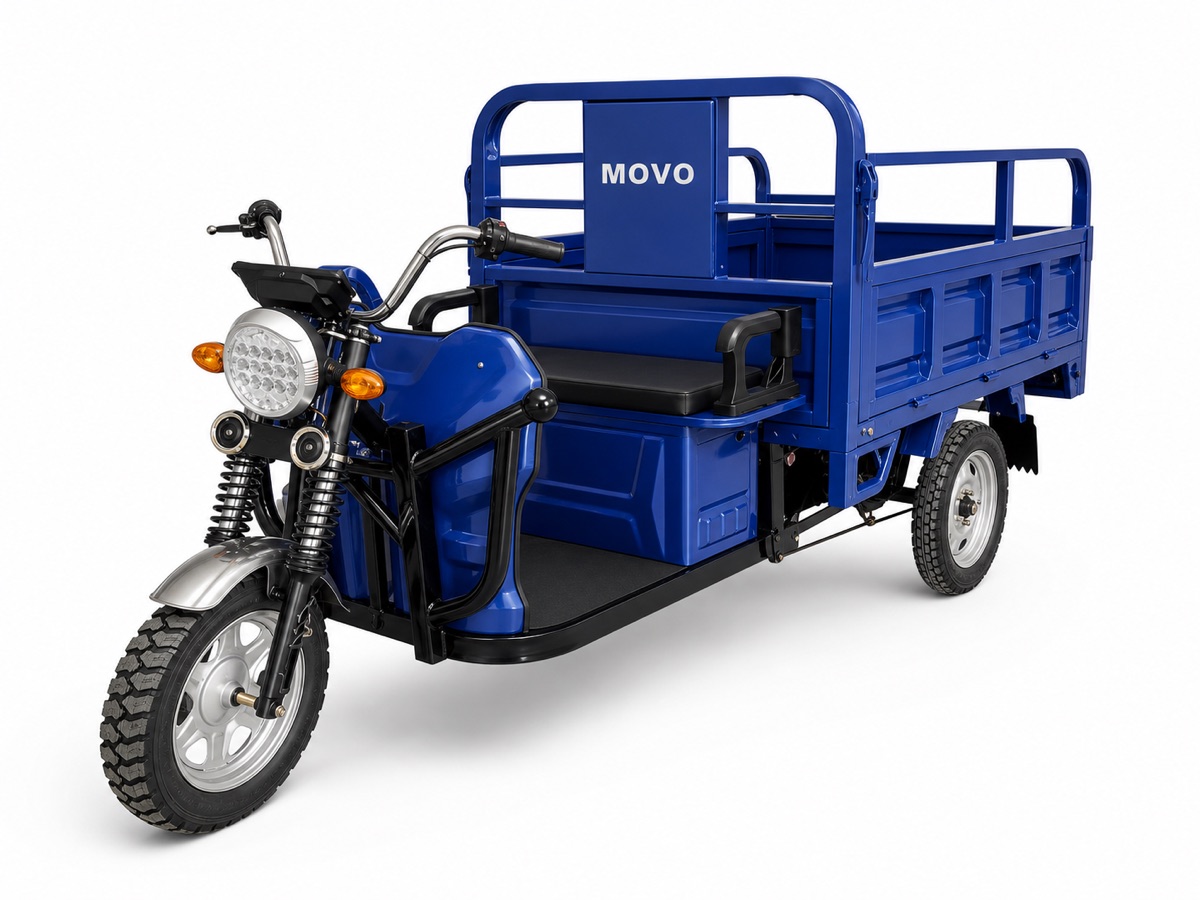
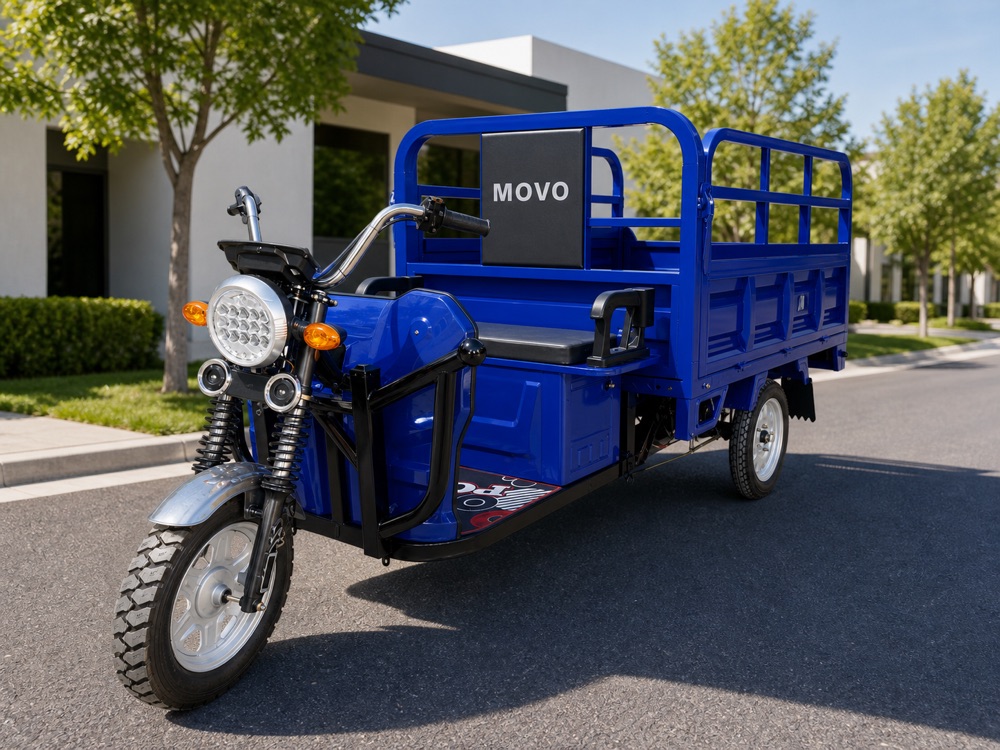
Every model comes in 6 standard colors, with custom colors available on OEM orders.
Is there a warranty and spare-parts support?
Yes — a 12-month warranty, backed by a spare-parts kit shipped with your first container.
How do I become a MOVO distributor?
Send an inquiry with your country and target model. We offer regional exclusivity, dealer pricing, assembly training, spare-parts kits and marketing support.