Why importing electric tricycles is not like importing ordinary cargo
Electric tricycles and e-rickshaws are classed as dangerous goods for transport because every unit ships with an installed lithium battery. That single fact changes almost everything about your import: which forwarder you can use, which documents customs and the shipping line demand, how the goods are packed, and how long clearance takes. Distributors who treat an electric tricycle order like an ordinary machinery order routinely lose weeks at the port and pay avoidable demurrage. This guide walks through the process in the order you will actually face it in 2026.
Step 1: Choose a freight forwarder with lithium and dangerous-goods capability
Your first decision is the most important one. A general forwarder who books dry cargo cannot legally handle a battery-powered vehicle shipment. You need a forwarder and a shipping line that accept UN-classified lithium goods and can file the correct dangerous-goods declaration.
When you shortlist a forwarder, confirm the following before you sign anything:
- They regularly book lithium-battery vehicles and can name the shipping lines that accept them on your trade lane.
- They can prepare or check the Dangerous Goods Declaration and the shipper IMDG documentation.
- They understand the 2026 UN3556 classification for battery-powered vehicles and do not still book under the old UN3171 entry.
- They have a customs broker at your destination port who has cleared electric vehicles before.
Ask for references on your exact route. A forwarder who moves containers to Lagos, Mombasa, Manila or Santos every week is worth more than a cheaper quote from someone learning on your cargo.
Step 2: Decide how to ship — assembled units in FCL, or CKD/SKD kits
You can import electric tricycles fully built, or as knock-down kits that are assembled after arrival. The right choice depends on your import duty structure, your local labour cost, and whether your government rewards local assembly.
Fully built units (CBU) in a full container load
Completely built-up units are the simplest path. The vehicles roll off the line, are loaded into a 40-foot high-cube container, and are ready to sell on arrival. You pay the highest freight per unit because assembled trikes waste container space, and in many markets CBU vehicles attract the highest import duty.
CKD and SKD kits
CKD (completely knocked down) ships the vehicle as parts — frame, wheels, motor, controller, battery and body panels — for full assembly at destination. SKD (semi knocked down) ships larger pre-assembled sub-sections, so less local labour is needed. Kits pack far more units per container and, in many African and Asian markets, qualify for a lower duty band because you are importing components and creating local jobs.
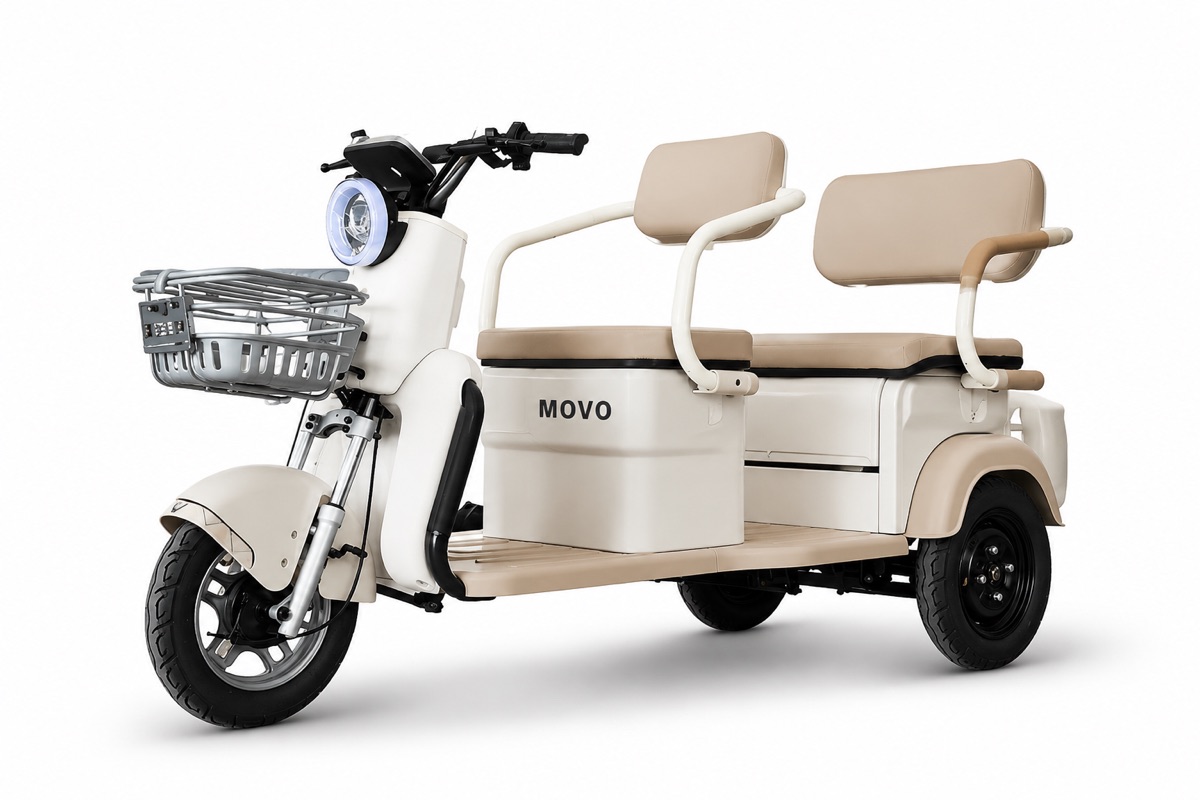
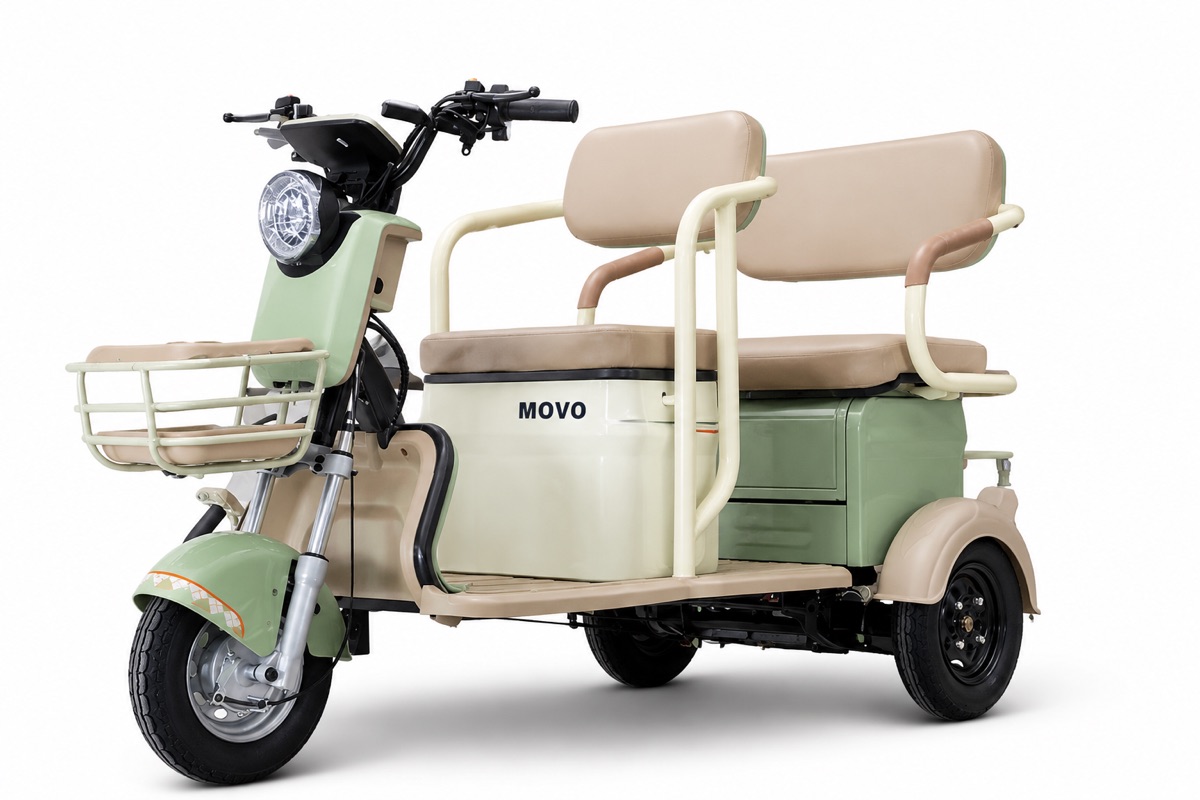
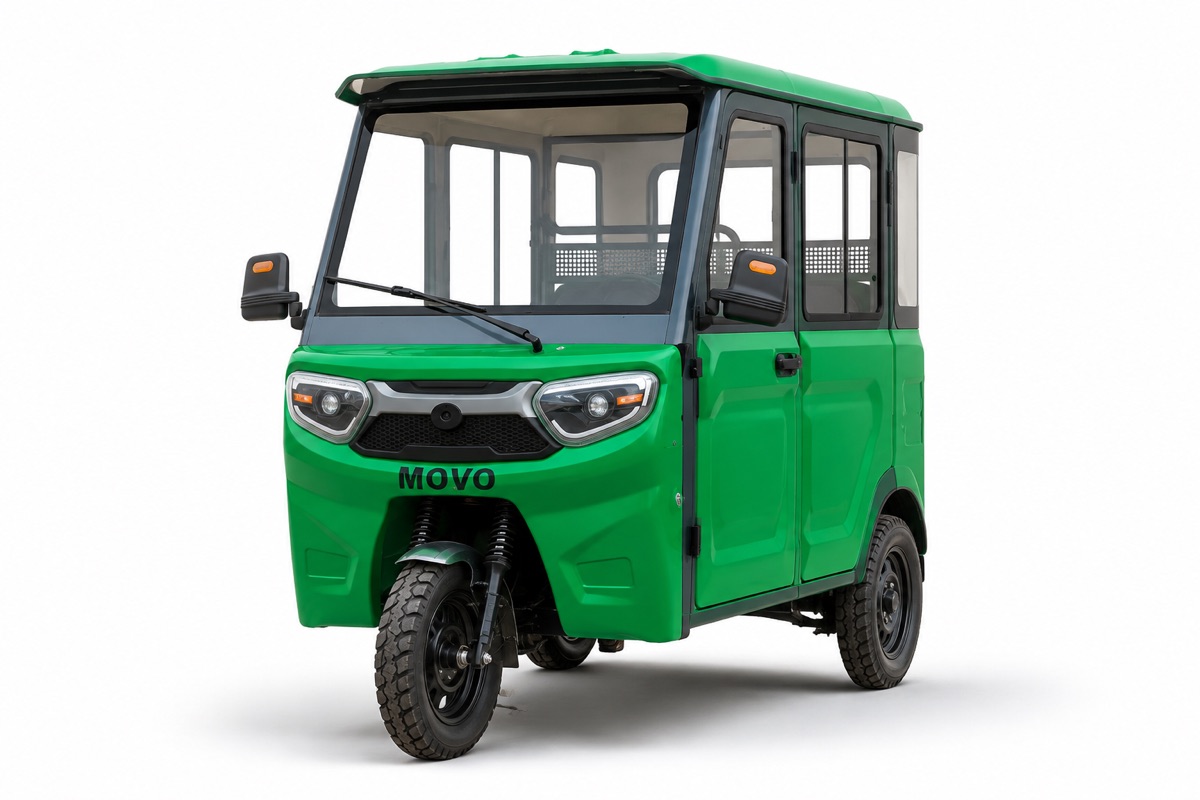
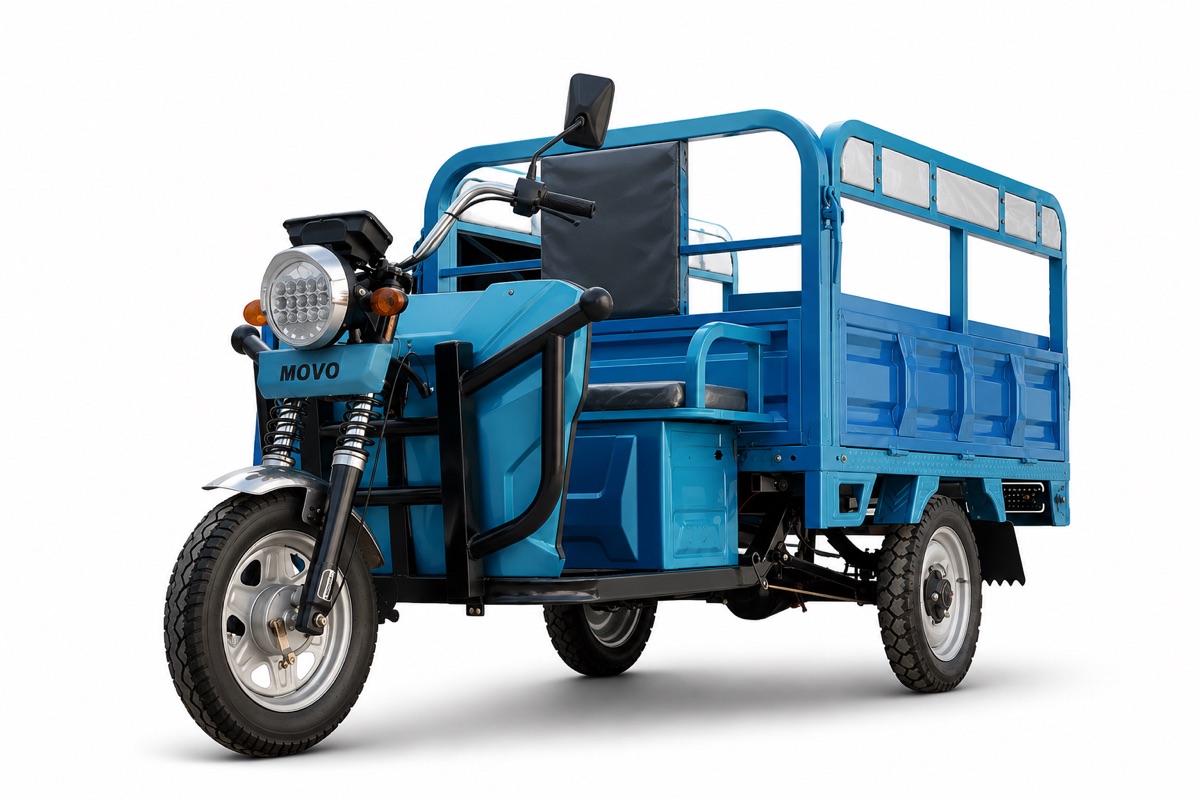
MOVO, as a factory-direct manufacturer, supports CBU, CKD and SKD supply and provides assembly documentation and OEM/ODM options, which lets a distributor match the shipping mode to the local tariff.
| Factor | Fully built (CBU) | CKD / SKD kits |
|---|---|---|
| Units per 40ft high-cube | Fewest | Roughly 2 to 3 times more |
| Import duty (typical) | Highest band | Often lower component band |
| Local labour needed | None | Assembly line and trained staff |
| Time to first sale | Immediate | After local assembly |
| Best for | Small volume, fast market entry | High volume, duty optimisation, local-content rules |
Step 3: Understand the 2026 battery shipping rules (UN3556)
This is the change most distributors miss. Until recently, a battery-powered vehicle shipped under UN3171. From the 2025 revision of the UN Model Regulations, adopted into the IMDG Code and mandatory for sea freight from 1 January 2026, a vehicle powered by a lithium-ion battery ships under a dedicated entry: UN3556, Vehicle, lithium-ion battery powered. A sodium-ion powered vehicle uses UN3558, and a lithium-metal powered vehicle uses UN3557.
What this means in practice:
- Your Dangerous Goods Declaration, container packing certificate and shipping marks must reference UN3556, not UN3171.
- Documents that still cite UN3171 for a lithium electric vehicle can be rejected by the line or held at inspection.
- The battery is treated as installed in the vehicle, so the vehicle entry, not a separate battery number, governs the shipment.
Confirm in writing that your forwarder is filing under UN3556. This is the single fastest way to tell whether they are current.
Step 4: Prepare the battery documents — UN38.3 and MSDS
No lithium shipment moves without its battery paperwork. Ask your manufacturer for the complete set before the container is booked, not after.
- UN38.3 Test Summary — proof the battery passed the UN Manual of Tests and Criteria (altitude, thermal, vibration, shock, short circuit and other tests). Lines and customs increasingly demand the test summary itself, not just a certificate number.
- MSDS / SDS — the Material Safety Data Sheet for the battery cell, describing chemistry and emergency handling.
- Dangerous-goods packing and marking — correct labels, the UN3556 marking, and the container packing certificate.
A reputable factory supplies UN38.3 and MSDS as standard. If a supplier cannot produce them quickly, treat it as a warning sign about the battery itself.
Step 5: Choose your Incoterms — FOB, CIF or DDP
Incoterms decide where the seller responsibility ends and yours begins. The three you will see most are FOB, CIF and DDP.
| Term | Seller covers | You cover | Best when |
|---|---|---|---|
| FOB (Free On Board) | Goods loaded onto the vessel at origin port | Sea freight, insurance, destination duties and delivery | You have your own forwarder and good freight rates |
| CIF (Cost, Insurance, Freight) | Freight and insurance to destination port | Import duty, clearance and inland delivery | You want the factory to arrange sea freight |
| DDP (Delivered Duty Paid) | Everything to your door, including duties | Very little; you receive the goods | You are new to importing or want a fixed landed cost |
New distributors often start with CIF or DDP for predictability, then move to FOB once they have a trusted forwarder and want to control freight cost. Whatever you choose, agree the Incoterm in writing on the proforma invoice.
Step 6: From order to shipment, step by step
- Confirm model, configuration, colours and quantity, and agree CBU or CKD/SKD.
- Settle the Incoterm and payment terms on a proforma invoice.
- Complete destination certification before production ships (see the certification guide).
- Pay the deposit and release the order to production.
- The manufacturer produces the units and collects battery documents (UN38.3, MSDS).
- Arrange pre-shipment inspection if your market requires it.
- Pay the balance against the agreed term and receive the shipping documents.
- The forwarder books a lithium-capable vessel and files the UN3556 dangerous-goods declaration.
- The container sails; you receive the bill of lading, commercial invoice, packing list and certificates.
- Your broker clears customs, pays duty, and delivers to your yard or assembly line.
Run these steps in order. The most expensive mistakes happen when goods ship before certification or battery documents are ready.